Breed Library
Species & Breeds
Browse breed profiles, compare options, and use Breed Finder to match your lifestyle.
Need help now? Use guided triage first, then come back to explore options.
Start Symptom Intake
Breed Listing
50 random picks (76 total)
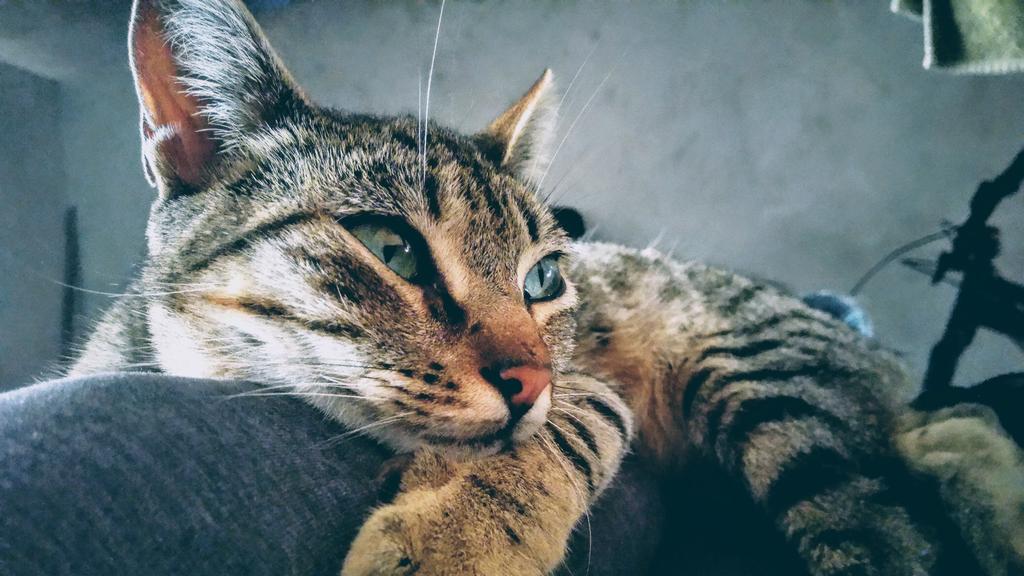
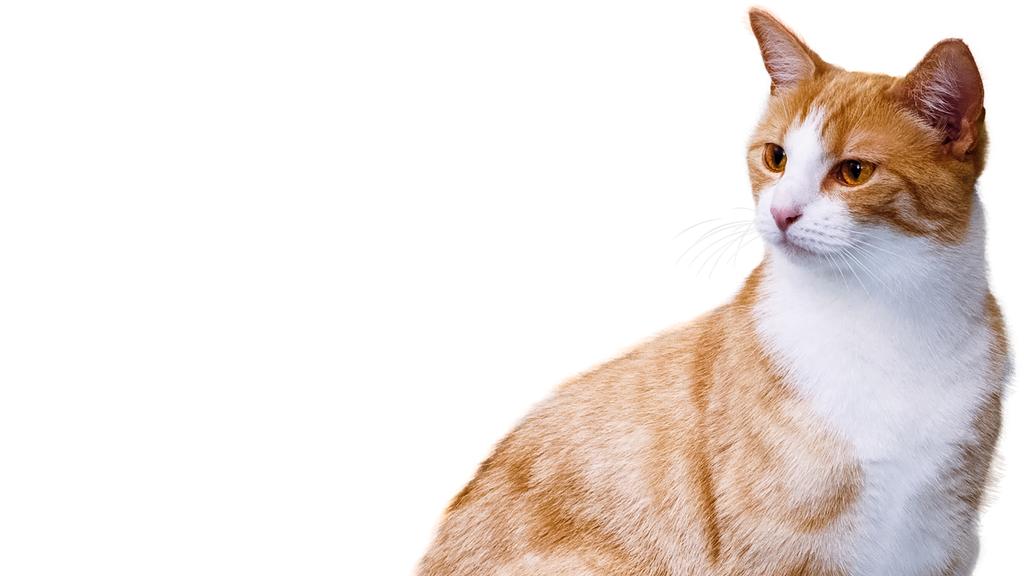
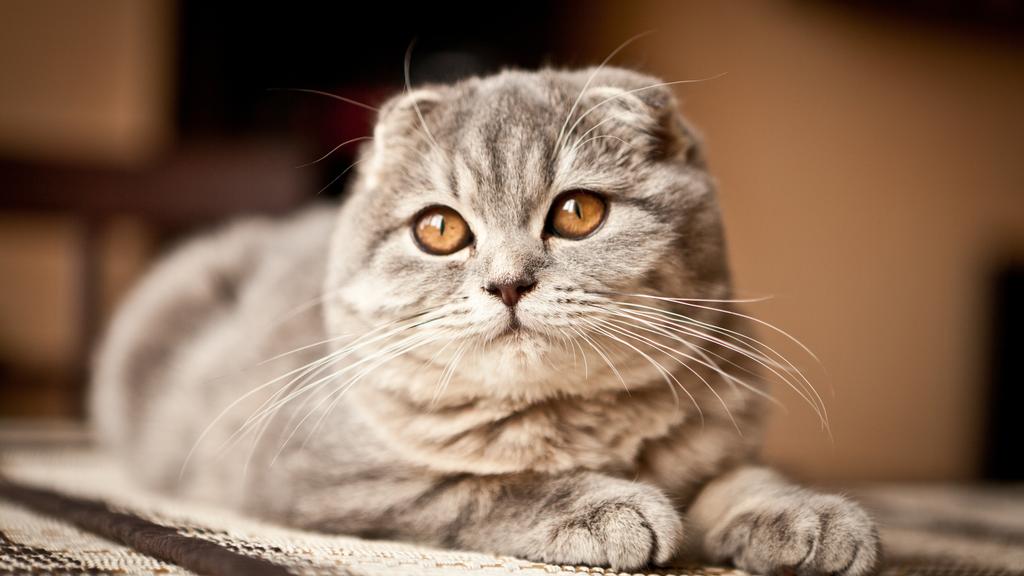
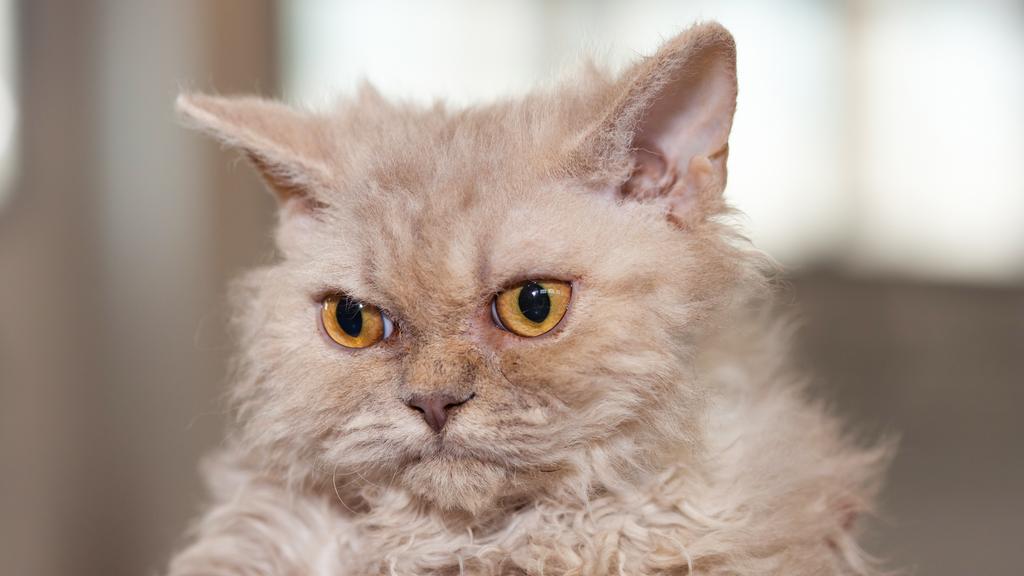
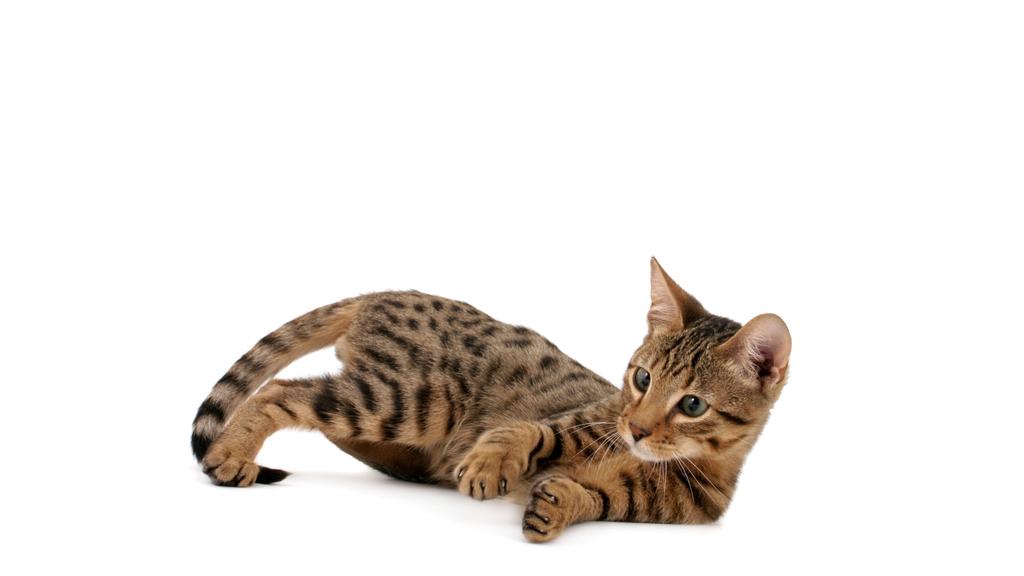
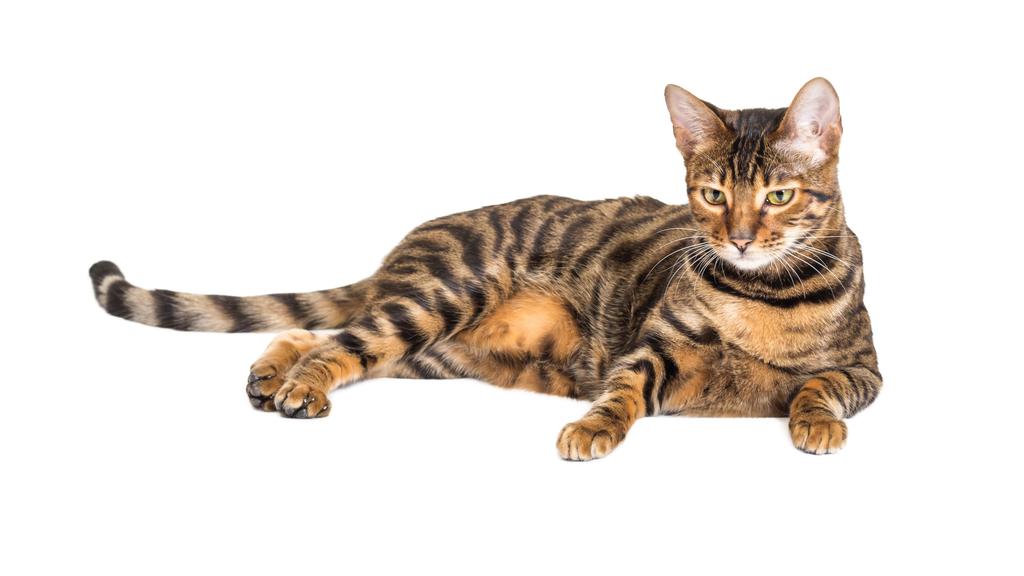
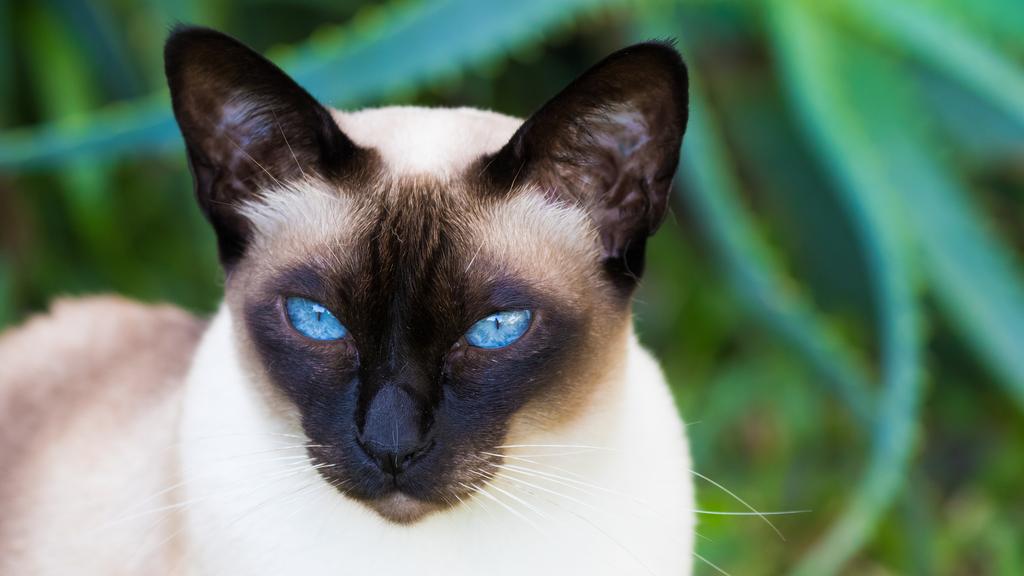
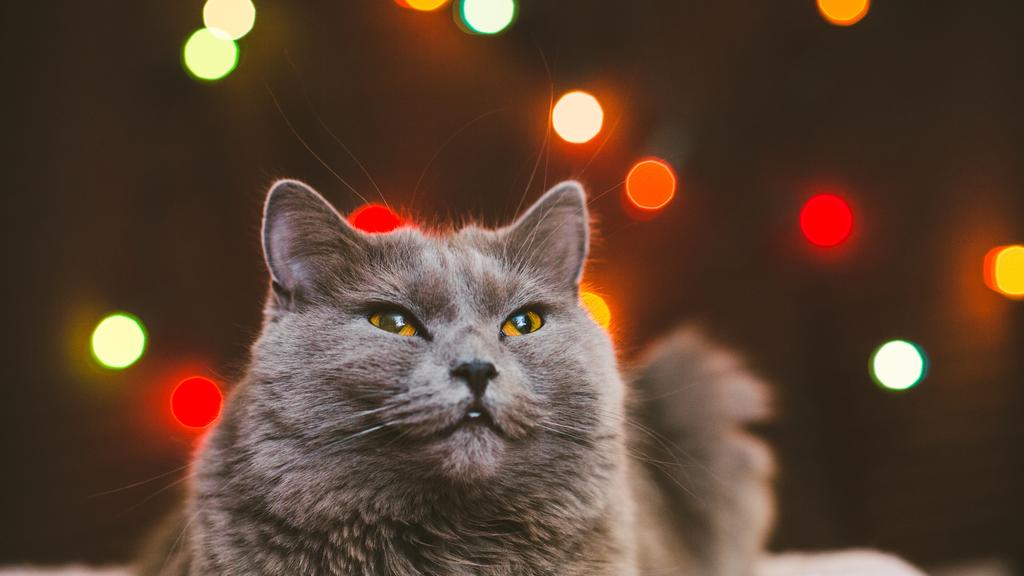
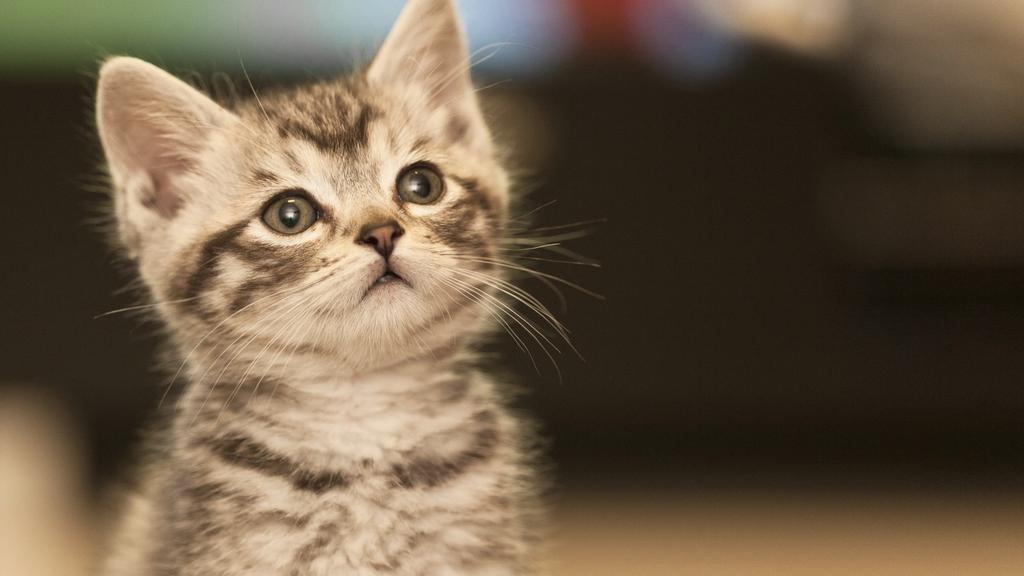
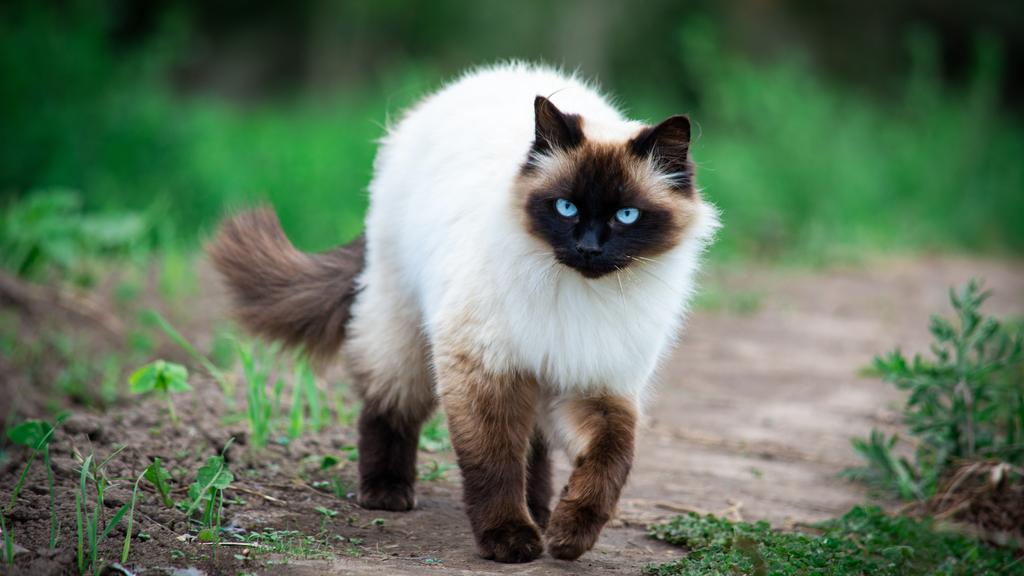
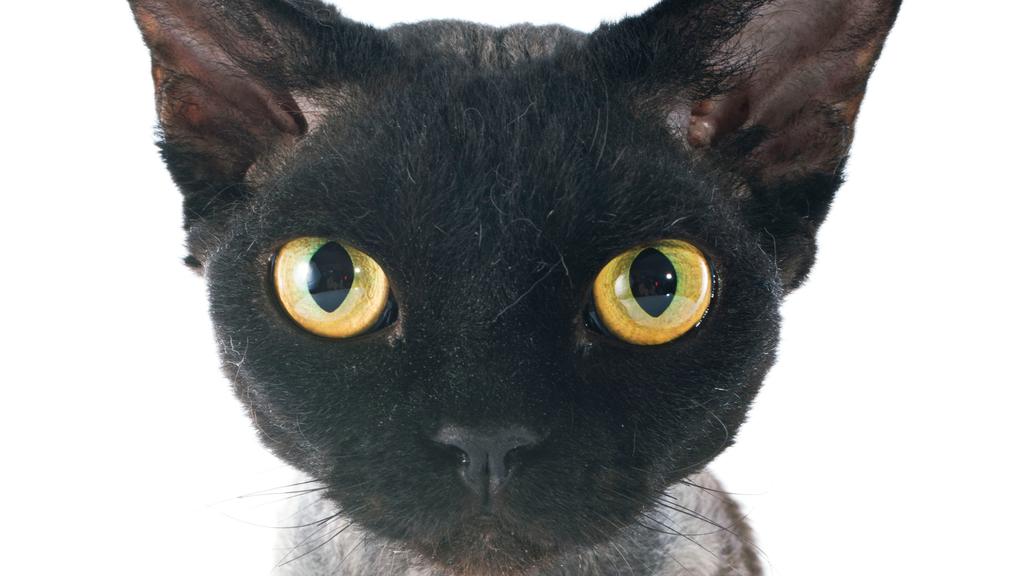
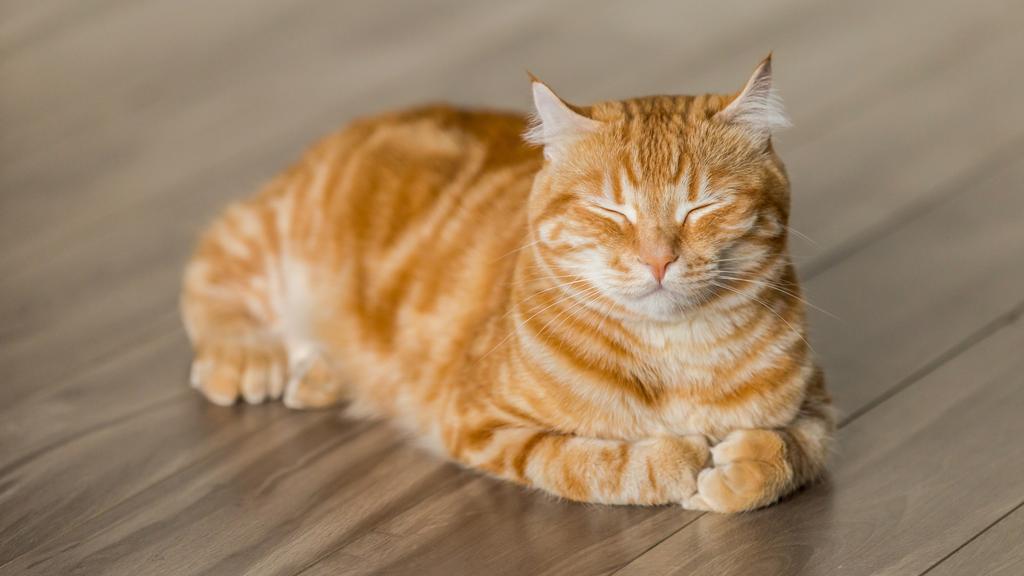
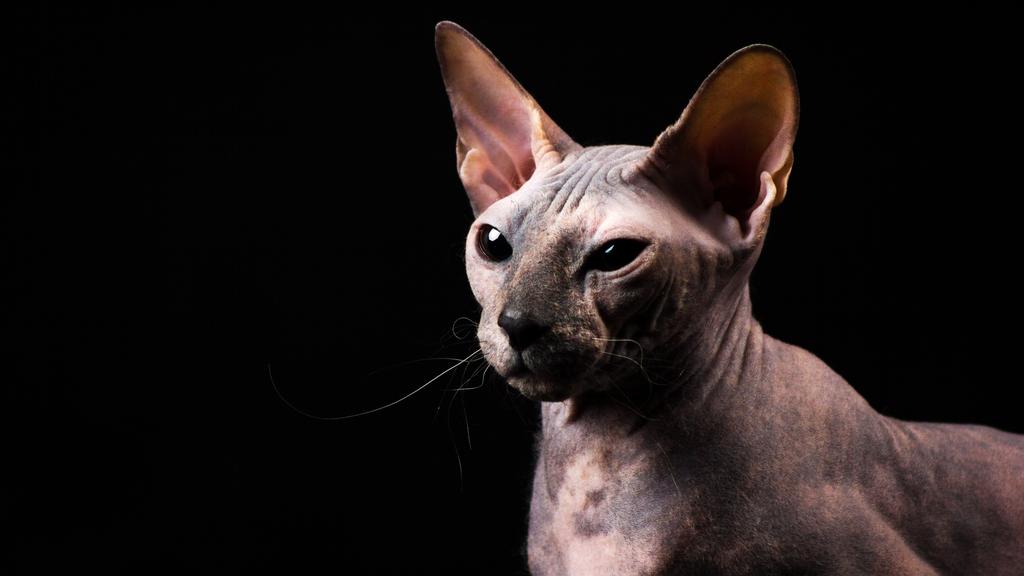
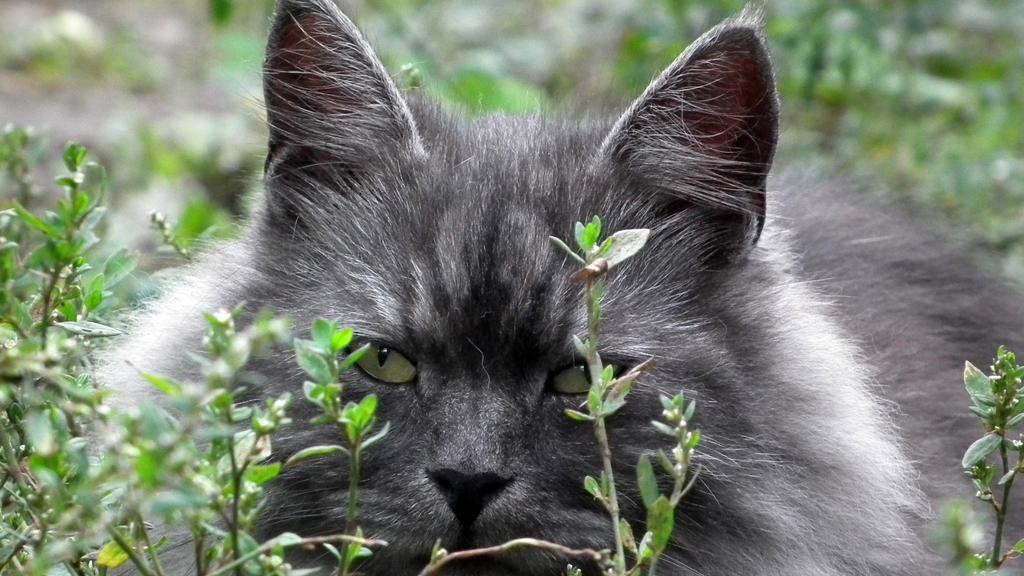
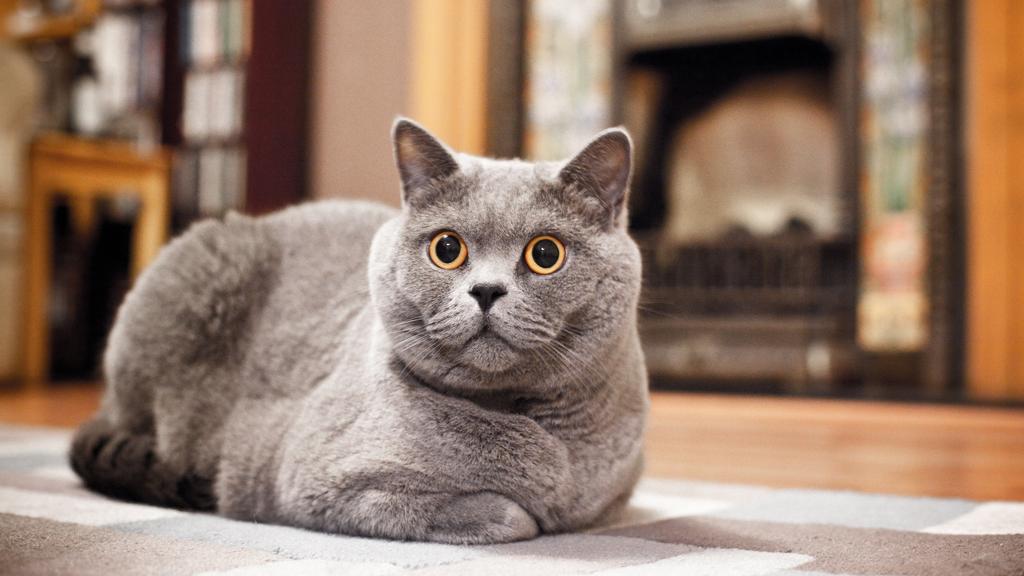
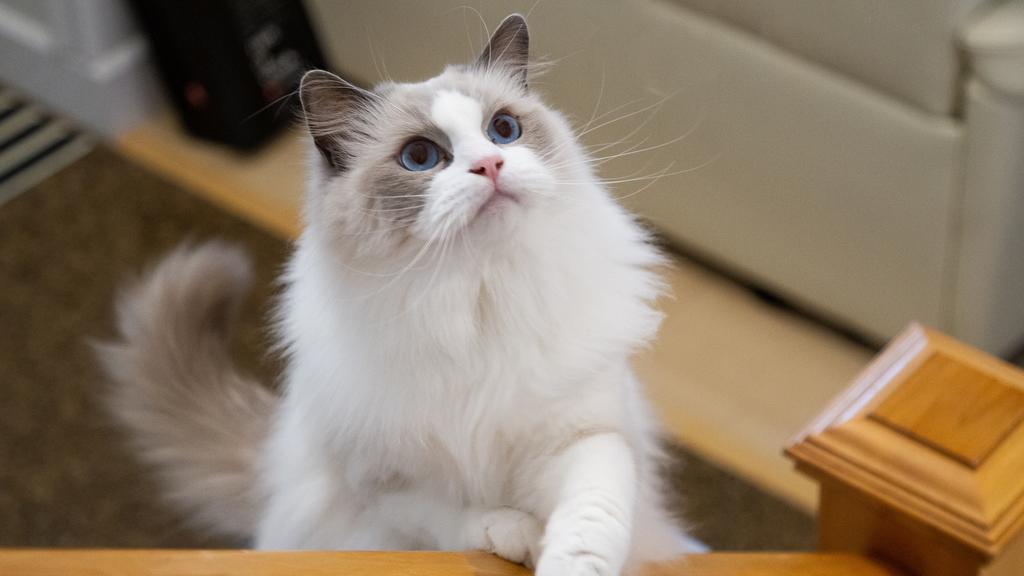
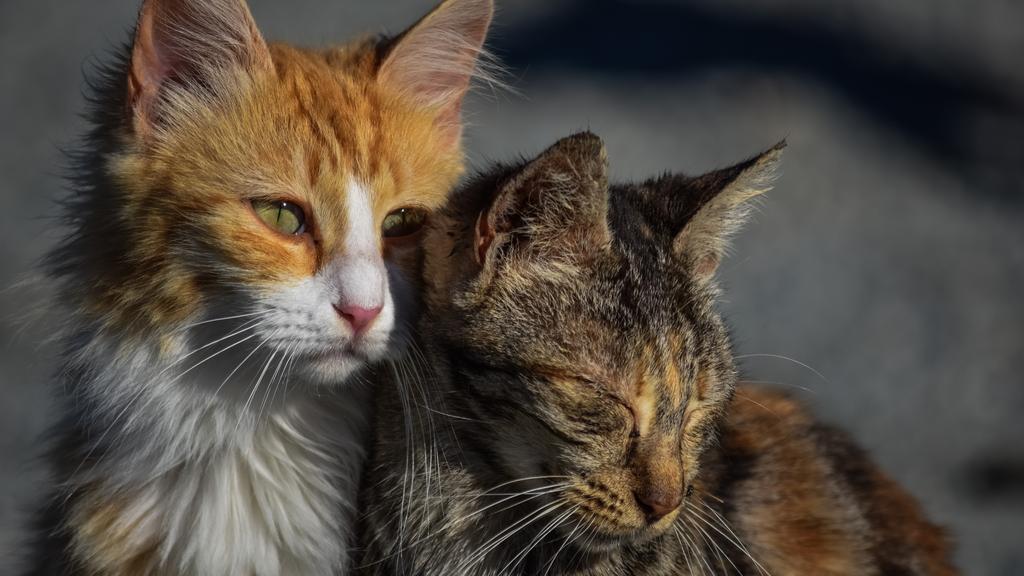
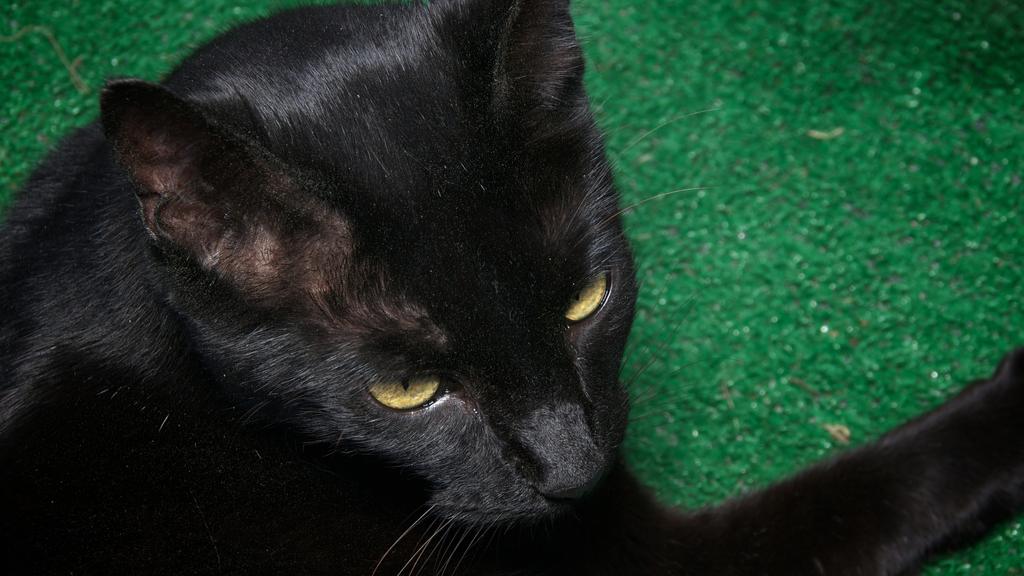
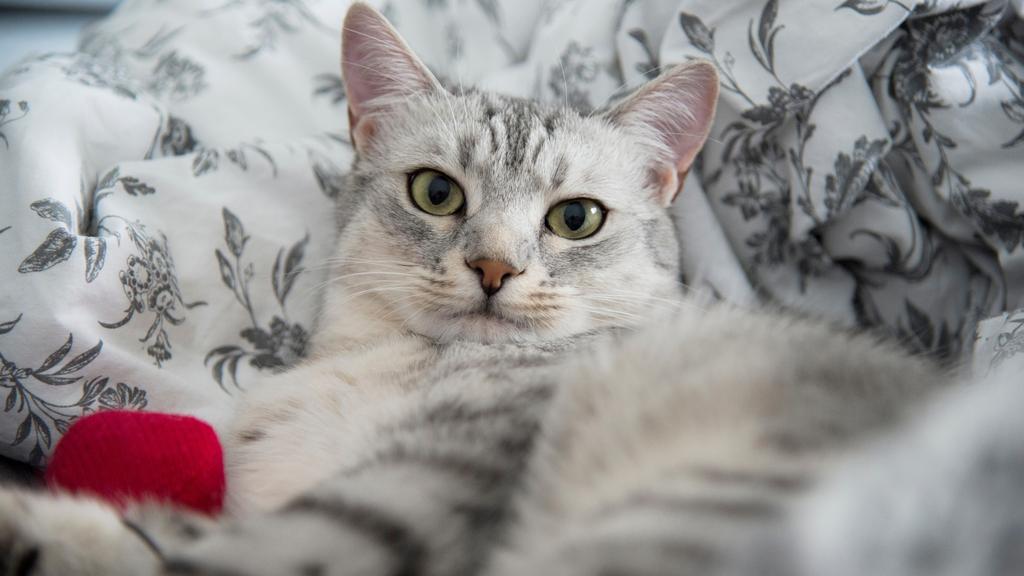
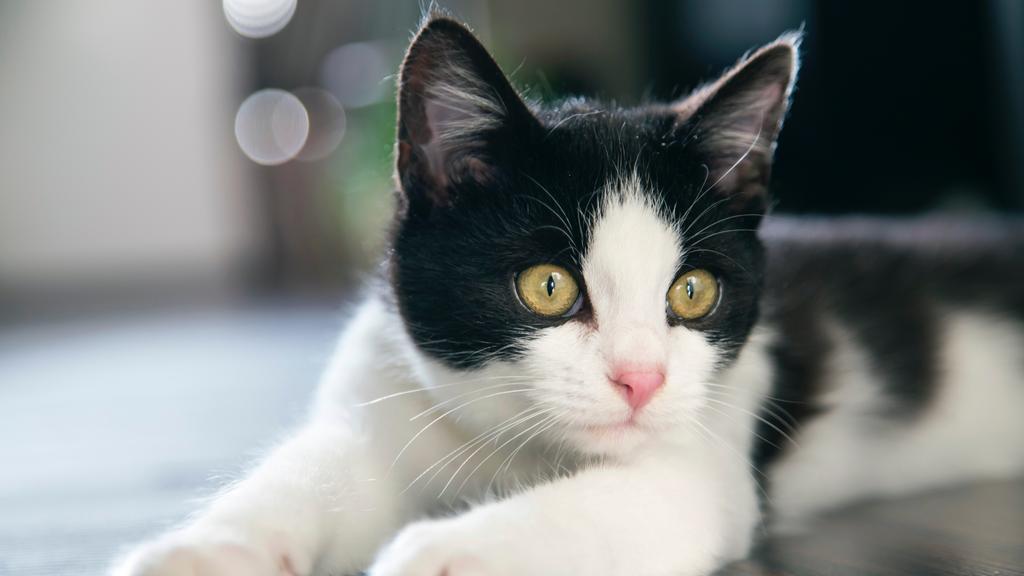
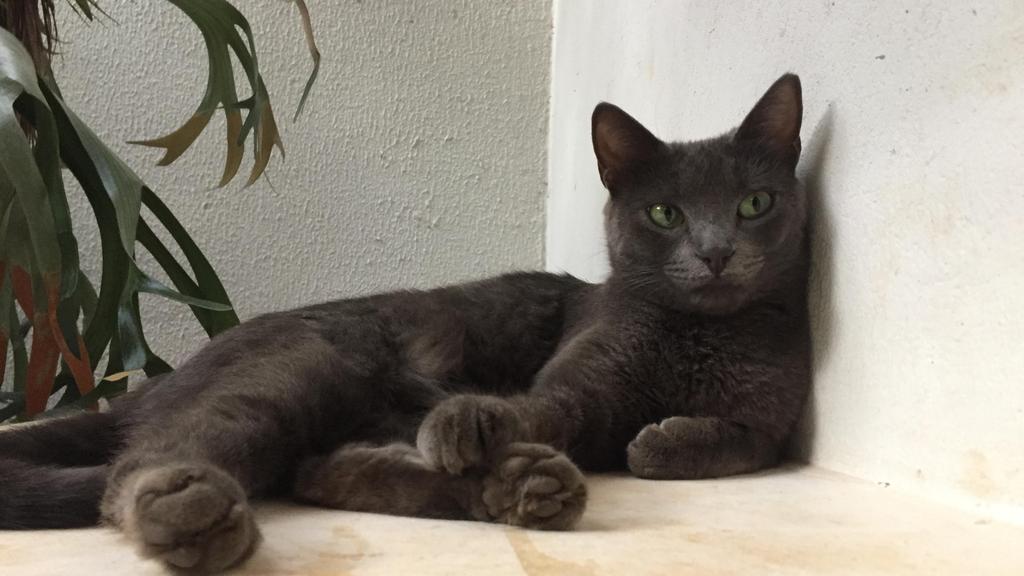
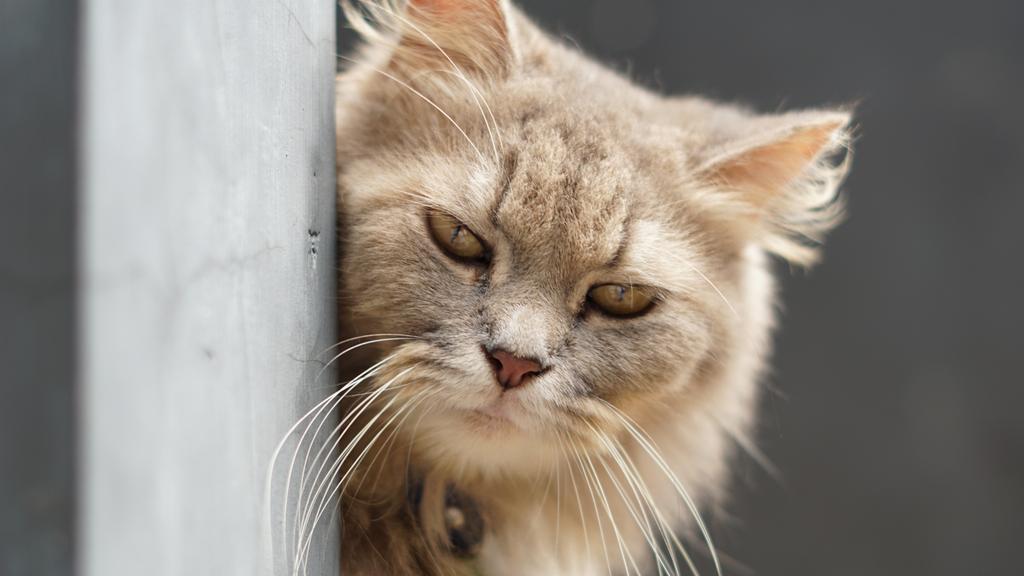
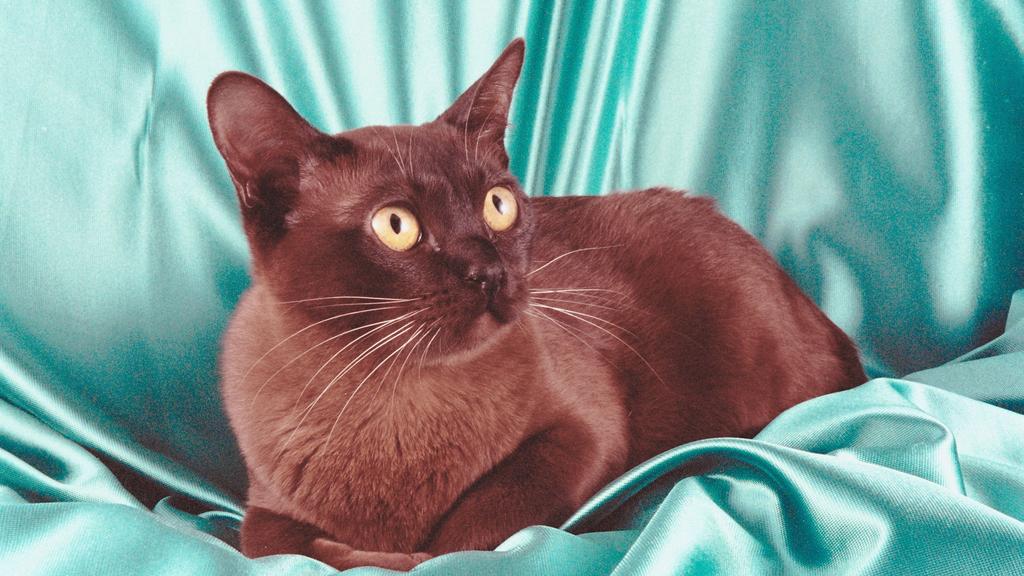
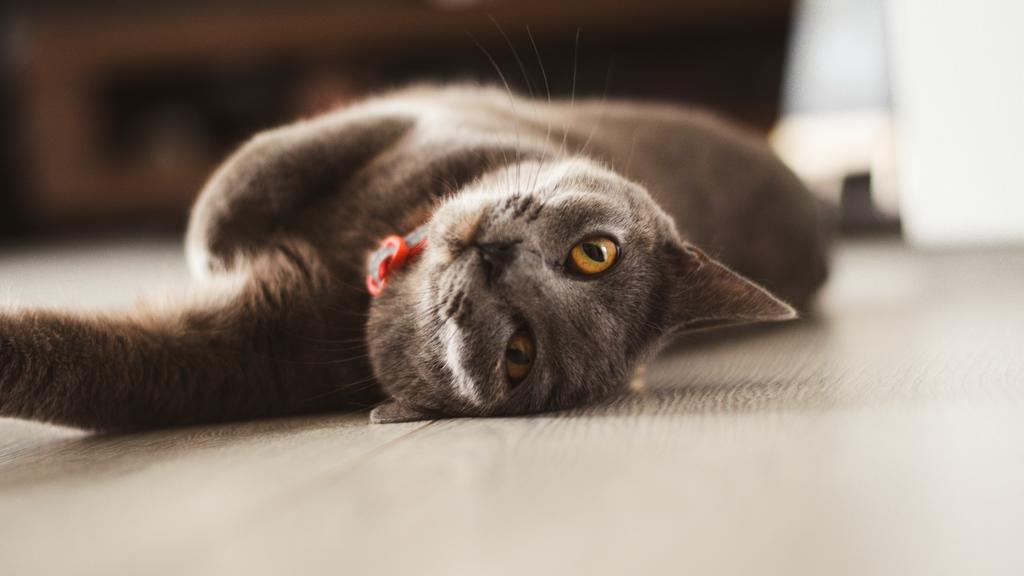
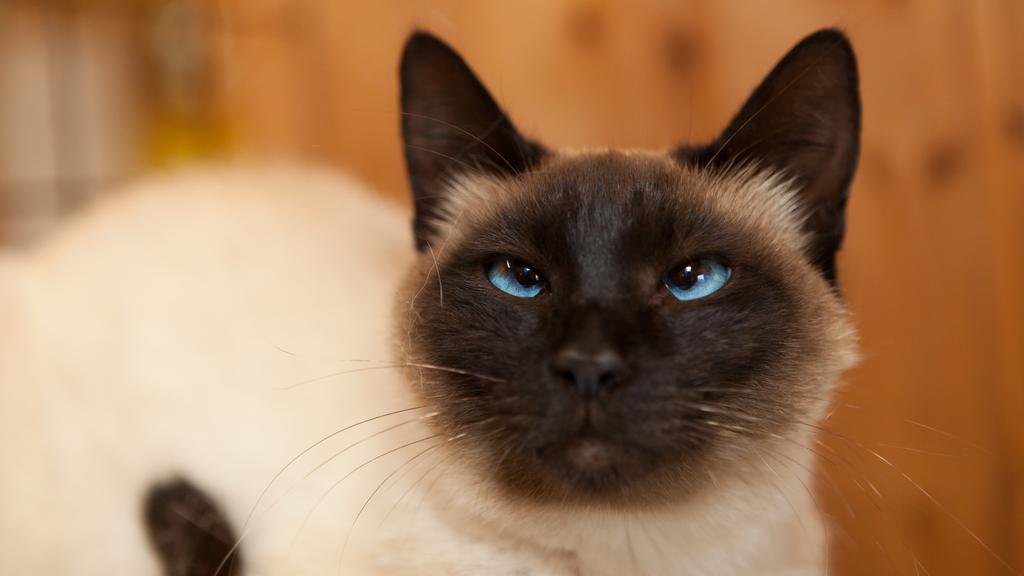
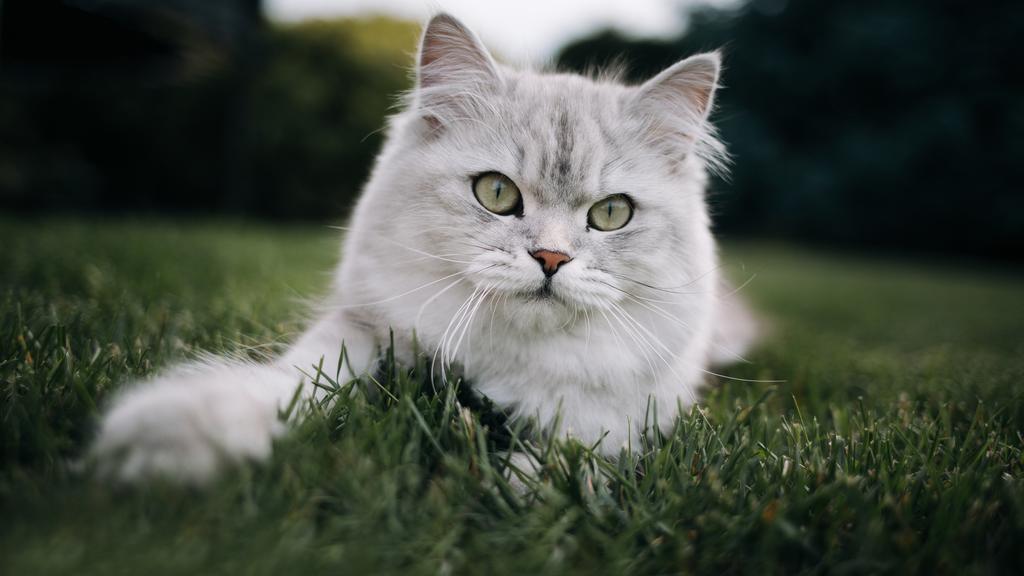
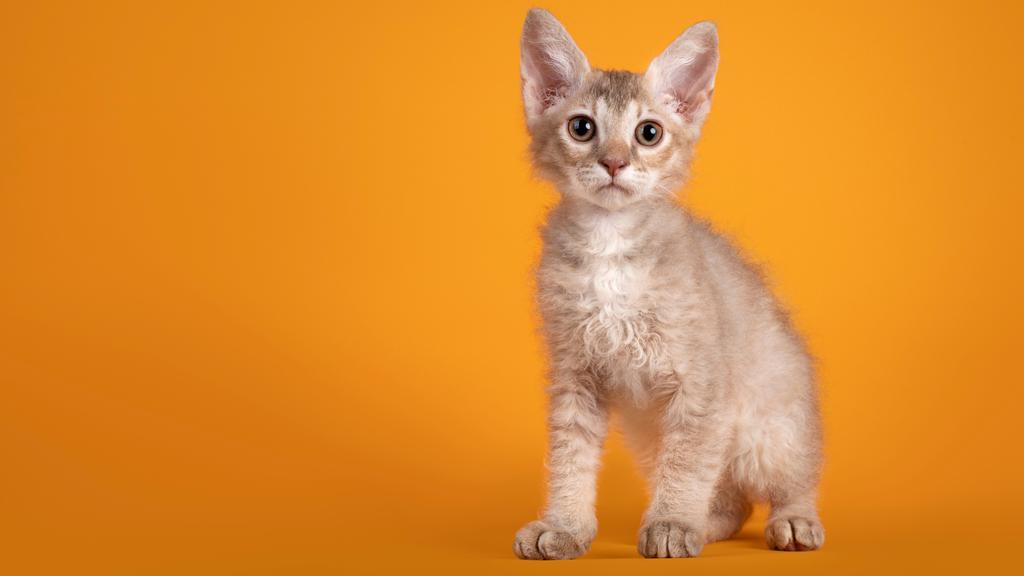
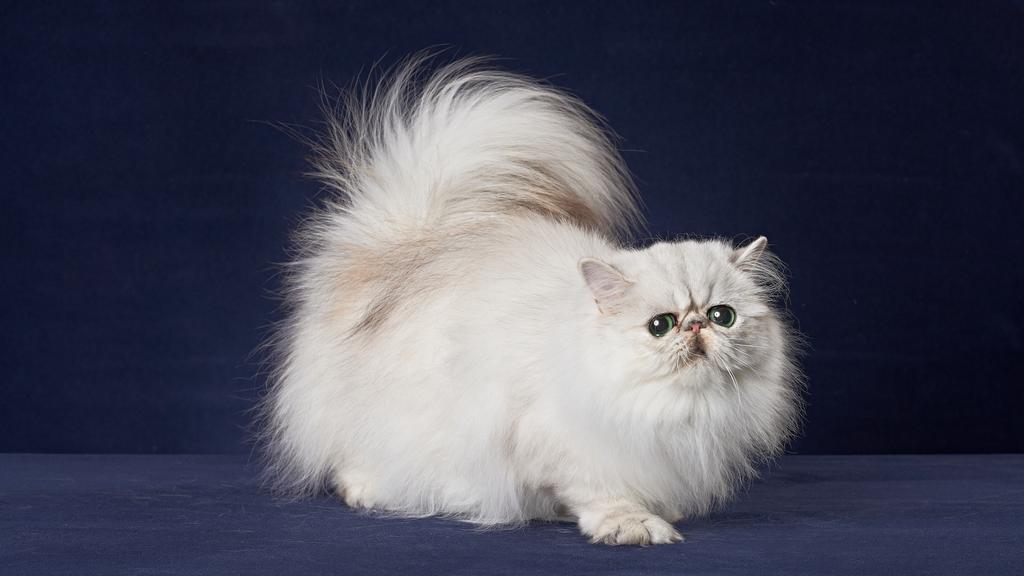

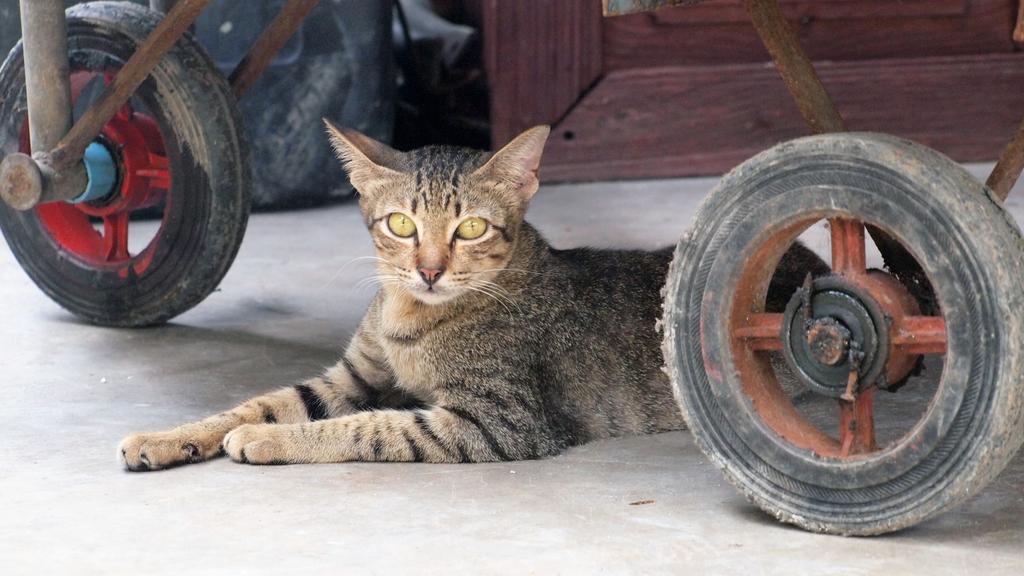
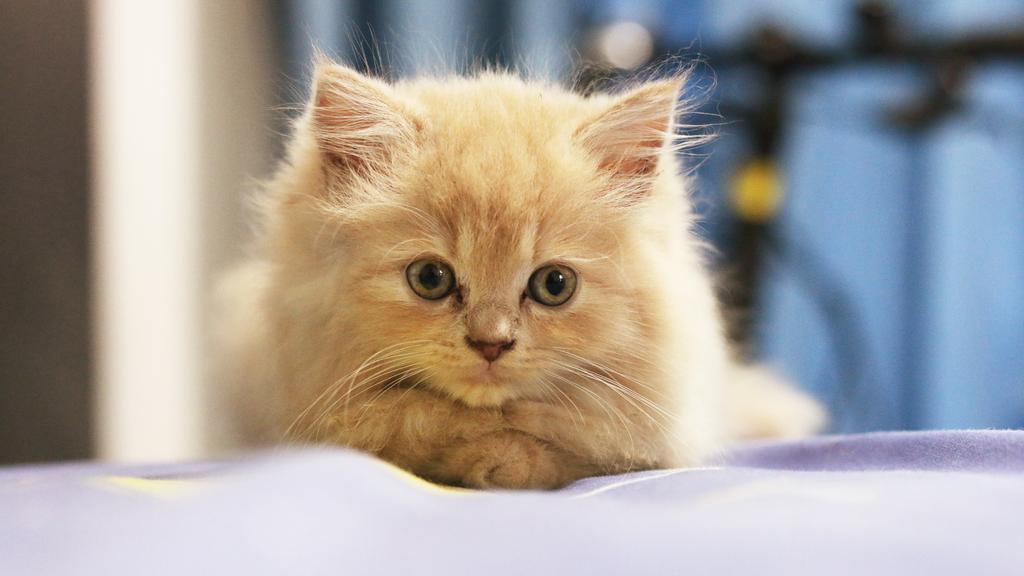
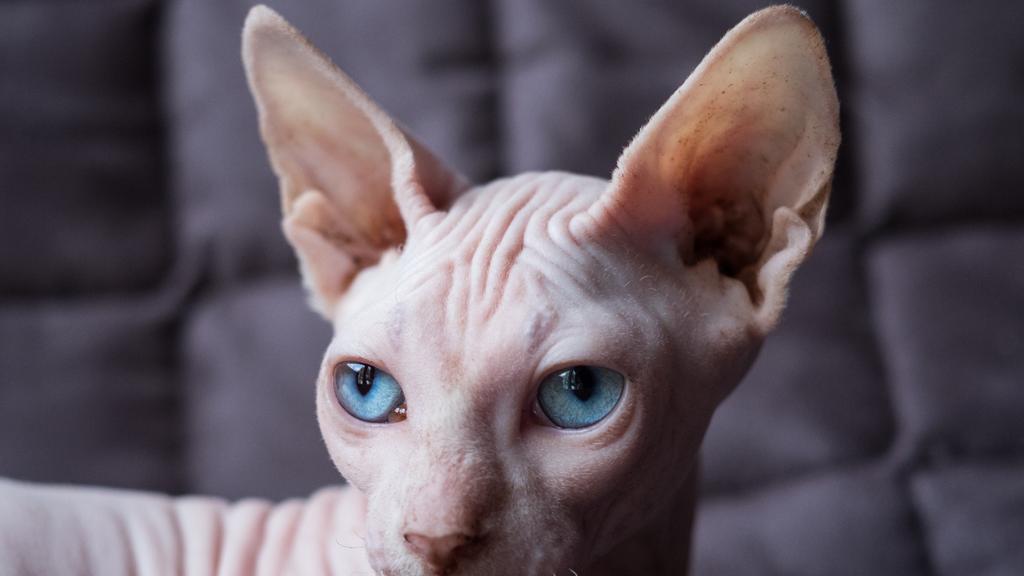
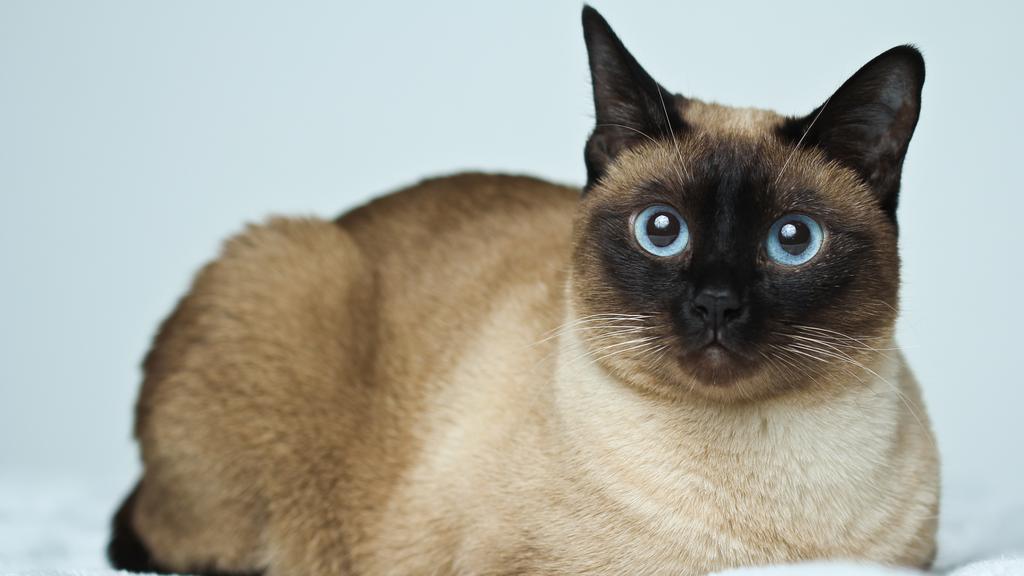
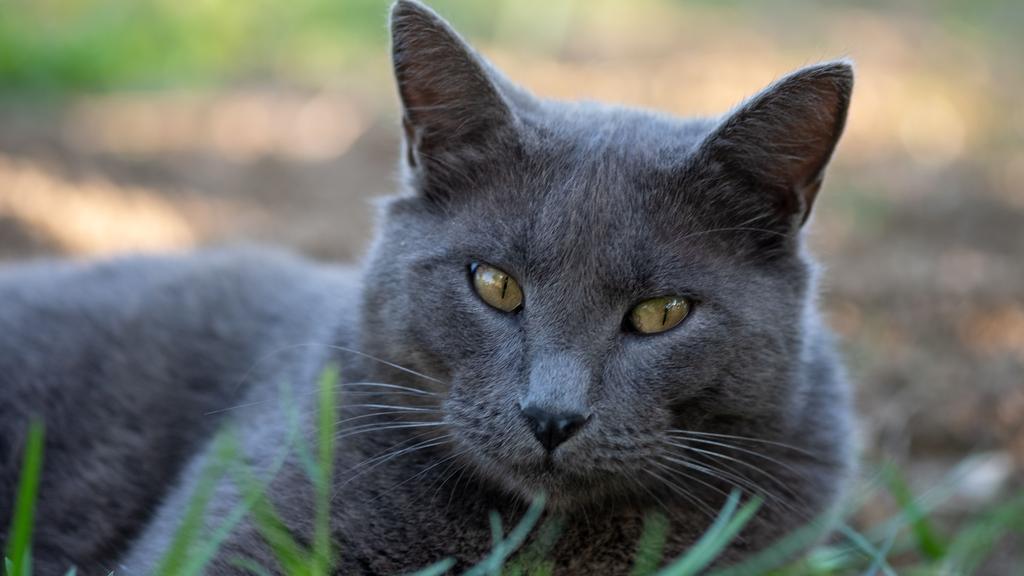
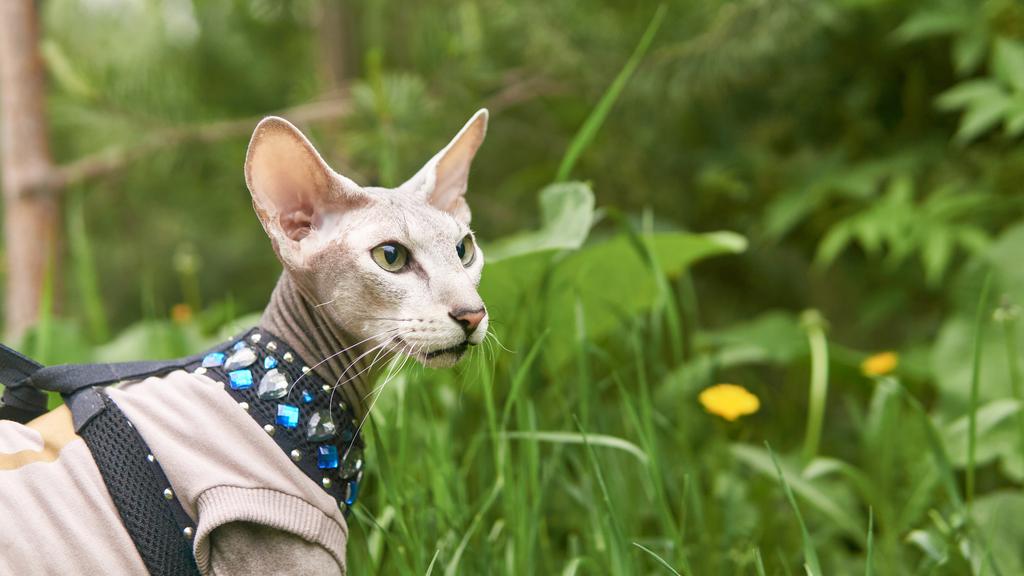
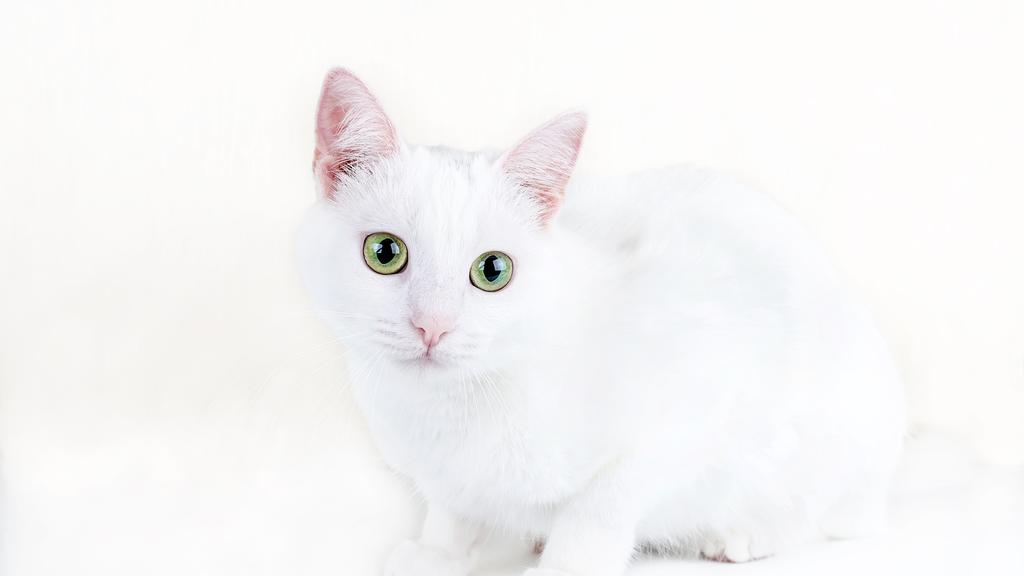
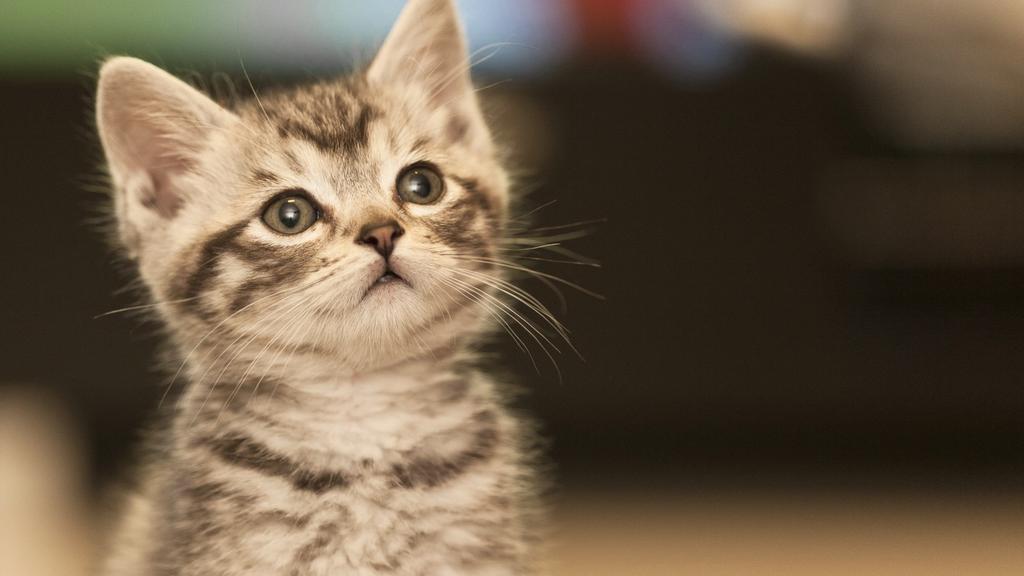
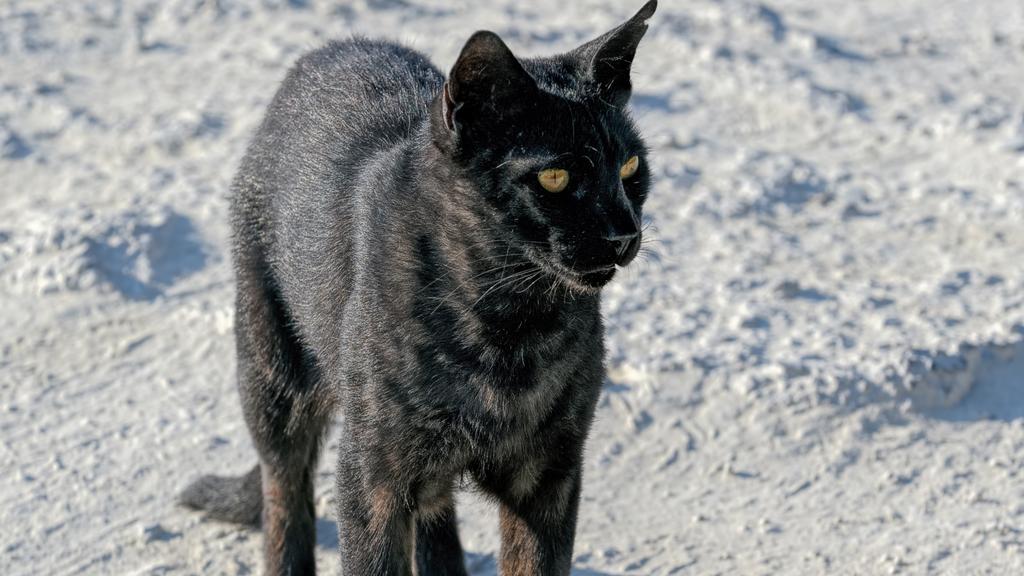
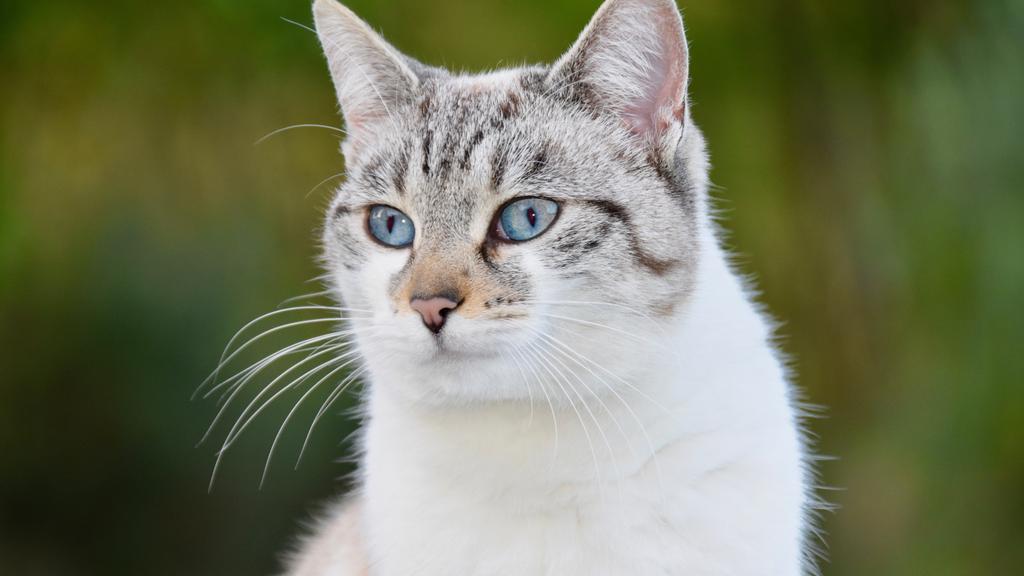
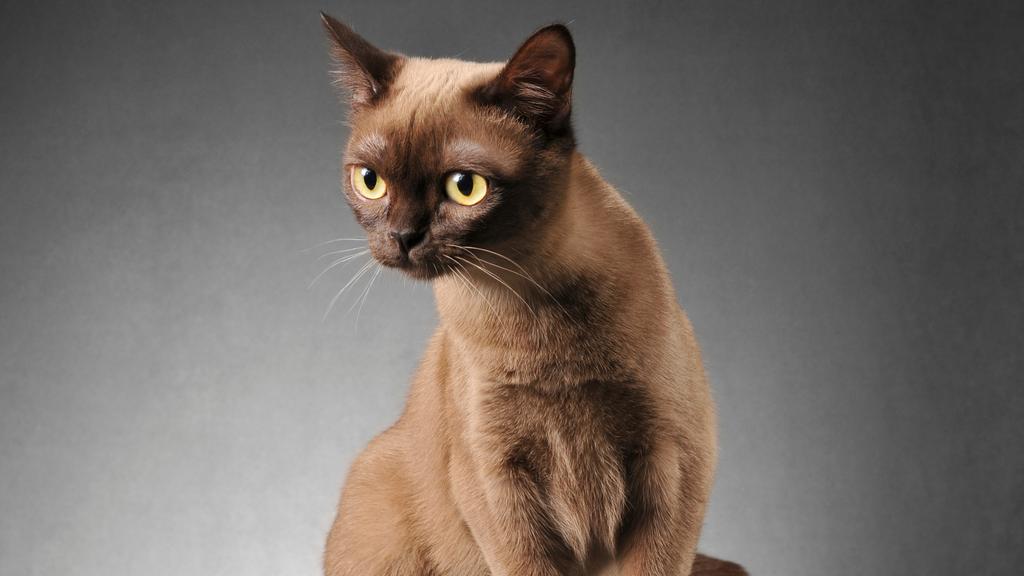
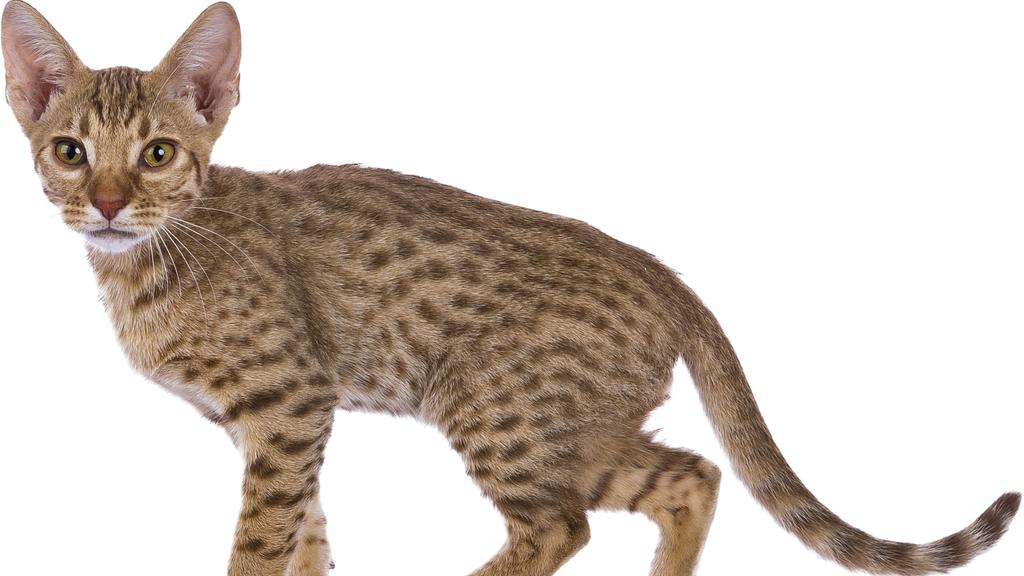
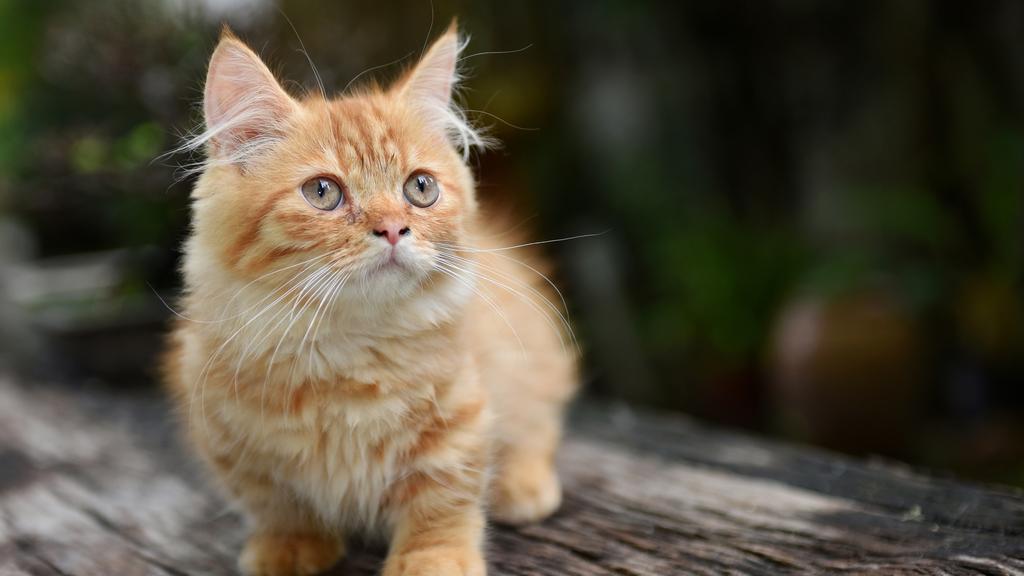
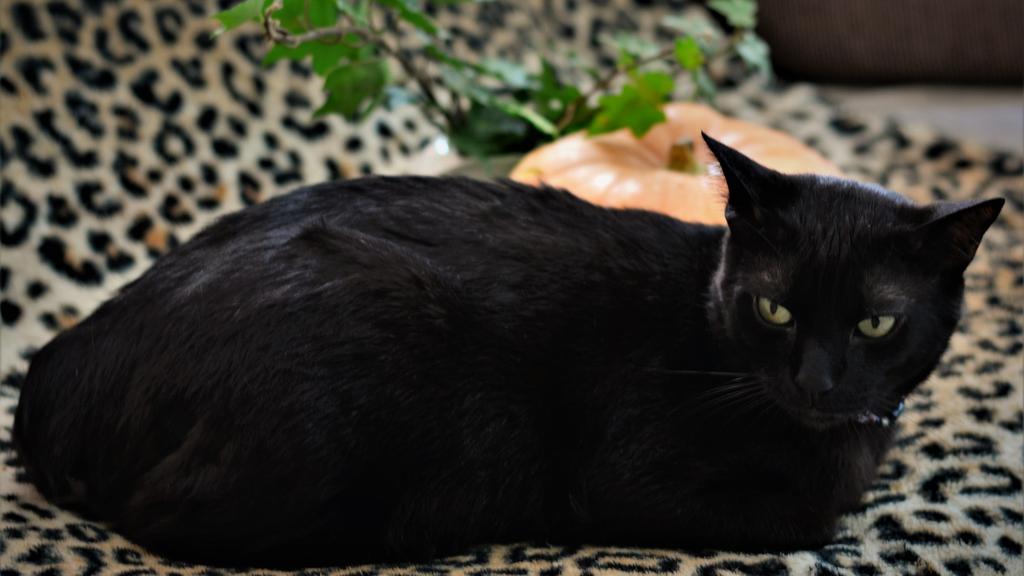
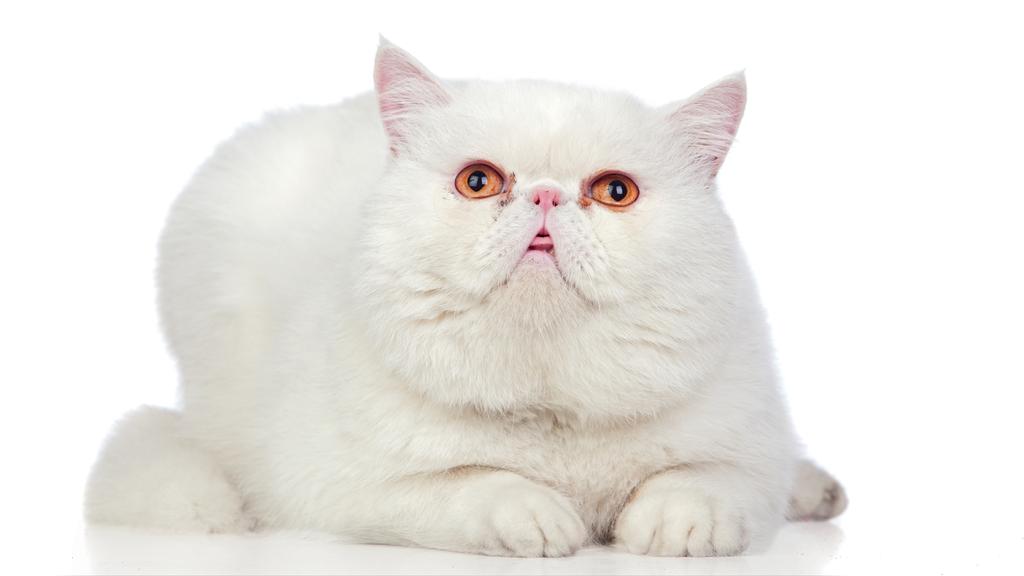
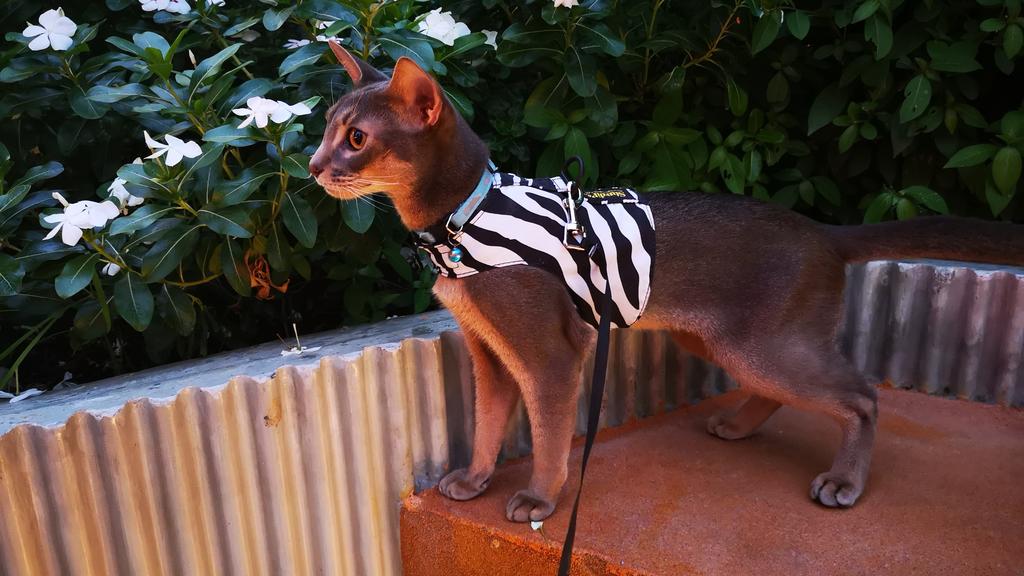
Breed Finder
Scope: Cat | Tell us your preferences and get ranked matches.
Showing top suggestions in current scope. Add preferences to personalize matching.
Abyssinian
Cat
Why this match
- Add preferences to generate personalized trait matches.
Aegean
Cat
Why this match
- Add preferences to generate personalized trait matches.
American Bobtail
Cat
Why this match
- Add preferences to generate personalized trait matches.
American Curl
Cat
Why this match
- Add preferences to generate personalized trait matches.
American Shorthair
Cat
Why this match
- Add preferences to generate personalized trait matches.
American Wirehair
Cat
Why this match
- Add preferences to generate personalized trait matches.
Arabian Mau
Cat
Why this match
- Add preferences to generate personalized trait matches.
Asian
Cat
Why this match
- Add preferences to generate personalized trait matches.
Australian Mist
Cat
Why this match
- Add preferences to generate personalized trait matches.
Balinese
Cat
Why this match
- Add preferences to generate personalized trait matches.
Bambino
Cat
Why this match
- Add preferences to generate personalized trait matches.
Bengal
Cat
Why this match
- Add preferences to generate personalized trait matches.
Birman
Cat
Why this match
- Add preferences to generate personalized trait matches.
Bombay
Cat
Why this match
- Add preferences to generate personalized trait matches.
British Longhair
Cat
Why this match
- Add preferences to generate personalized trait matches.
Other Ideas To Improve Breed Matching
- Add a time commitment filter (minutes/day for walks, play, and training).
- Include a noise tolerance filter (quiet, moderate, vocal).
- Add budget range (grooming + routine care costs by breed profile).
- Use a short temperament quiz and weight calm/social/protective traits.
- Offer an "adoptable alternatives" mode to surface similar shelter-friendly breeds.
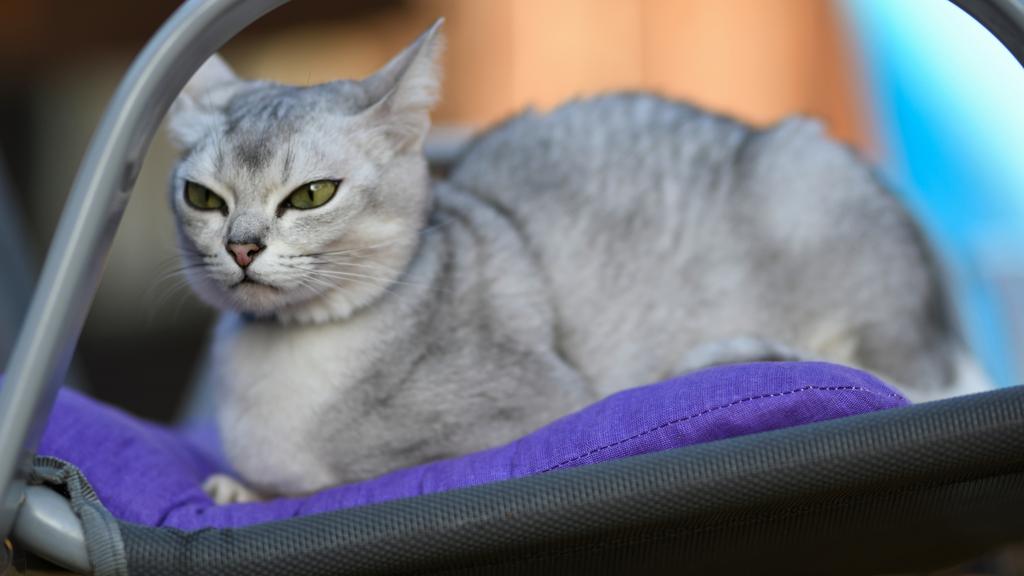
Burmilla
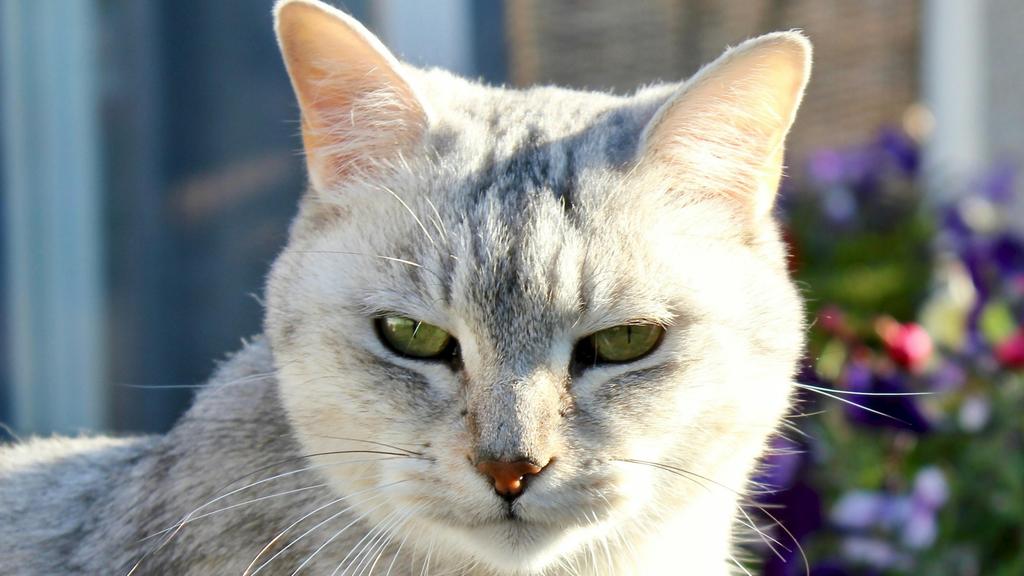
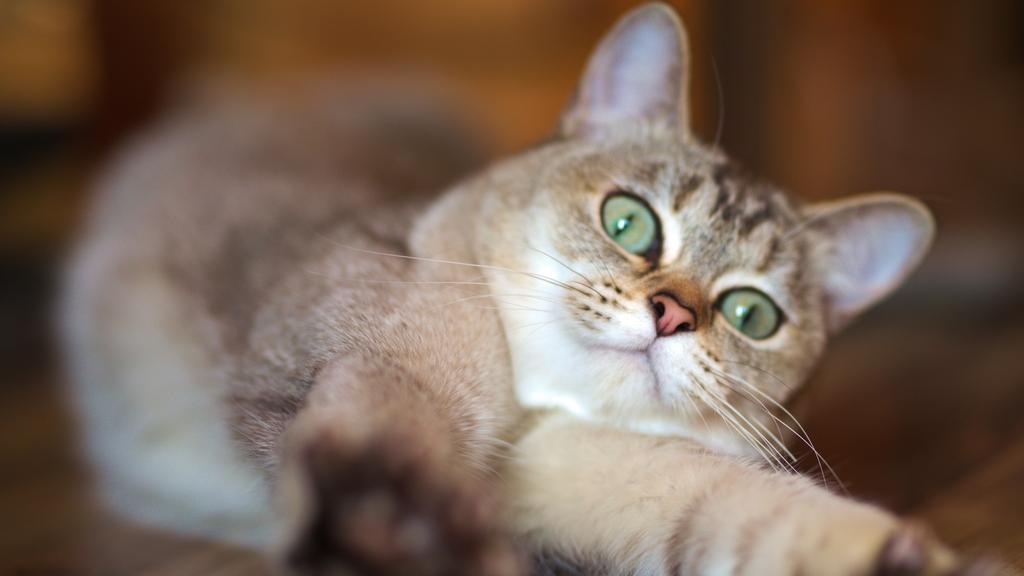
Cat Breed Profile
Sections: 10
Attributes: 33
Data Coverage: 100%

Quick Snapshot
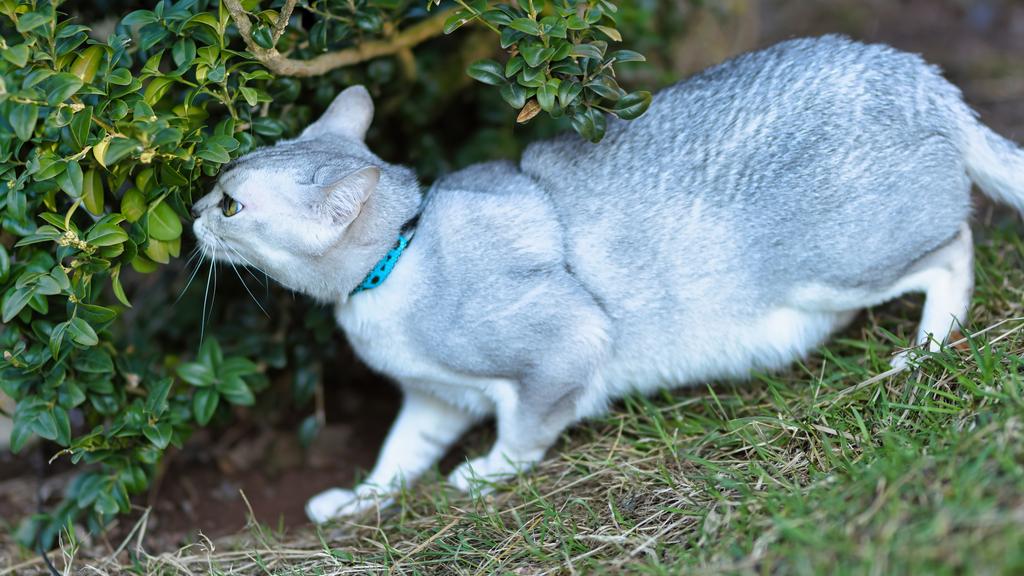
- Size & Weight: Medium; often around 3-6 kg (7-13 lbs).
- Lifespan: Usually around 12-15 years.
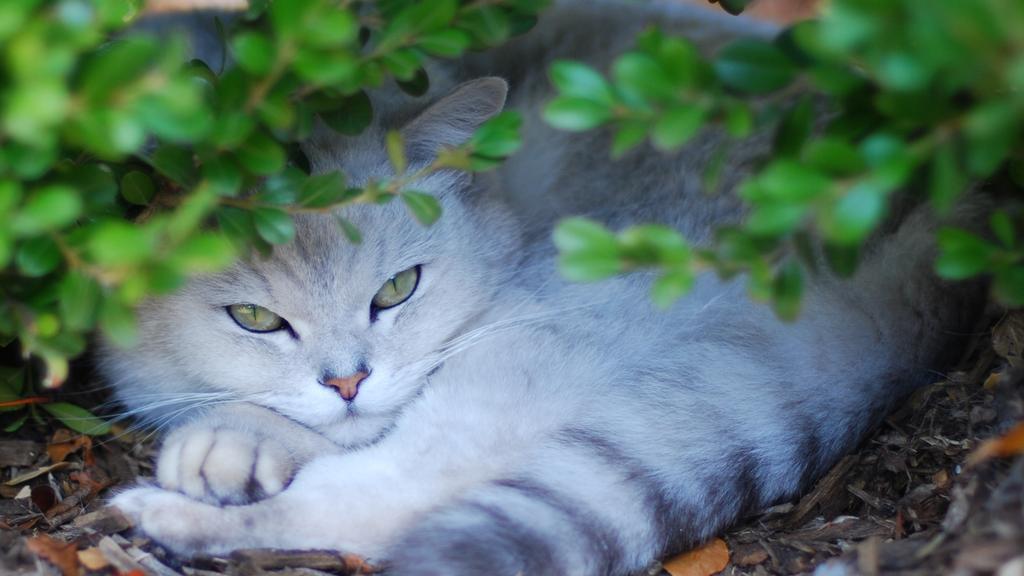
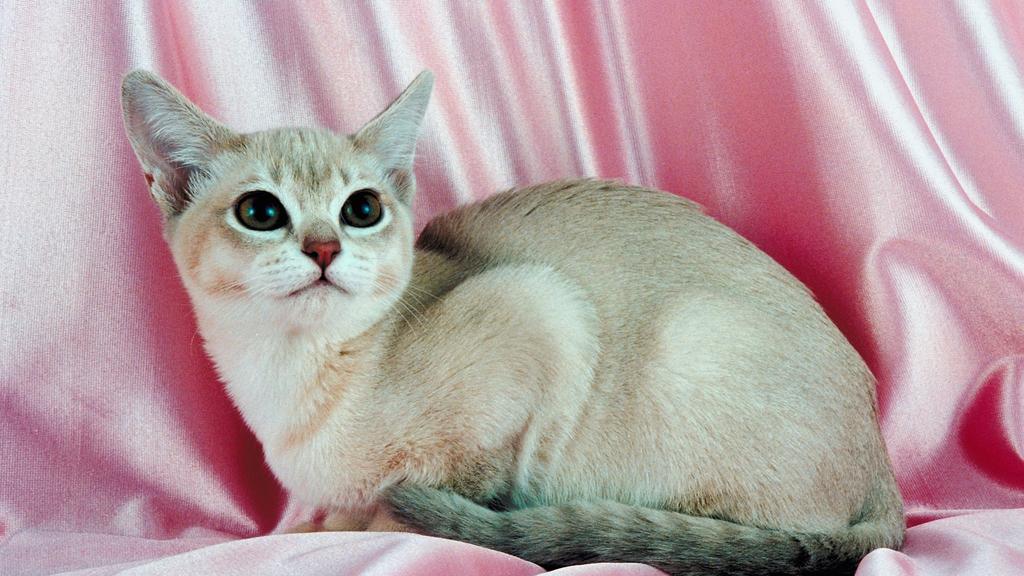
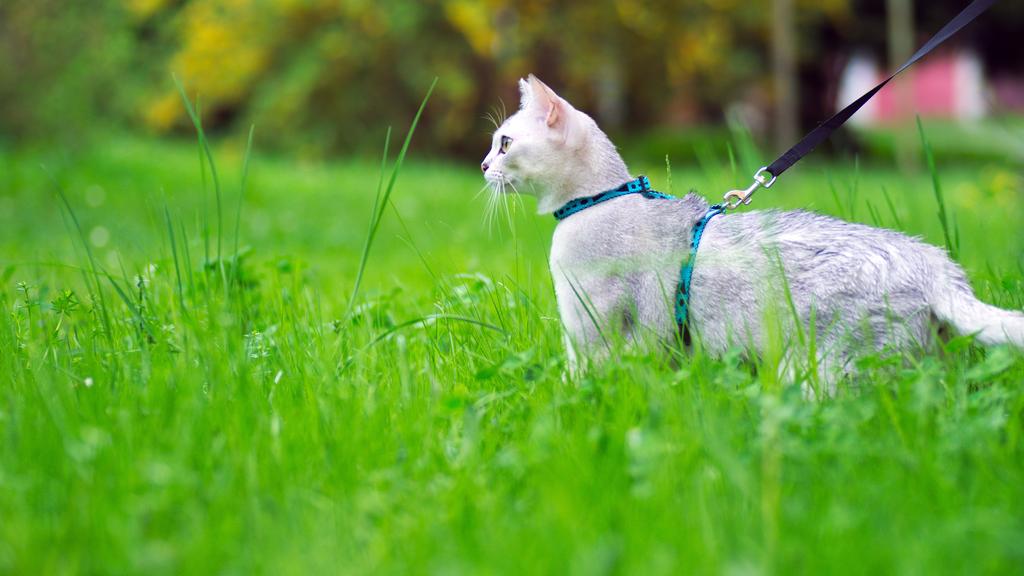
- Coat Type: Short or semi-long silky coat with shaded patterning.
- Shedding: Low to moderate.
- Breed Group: Cat.
Basic Information
- Size & Weight: Medium; often around 3-6 kg (7-13 lbs).
- Lifespan: Usually around 12-15 years.
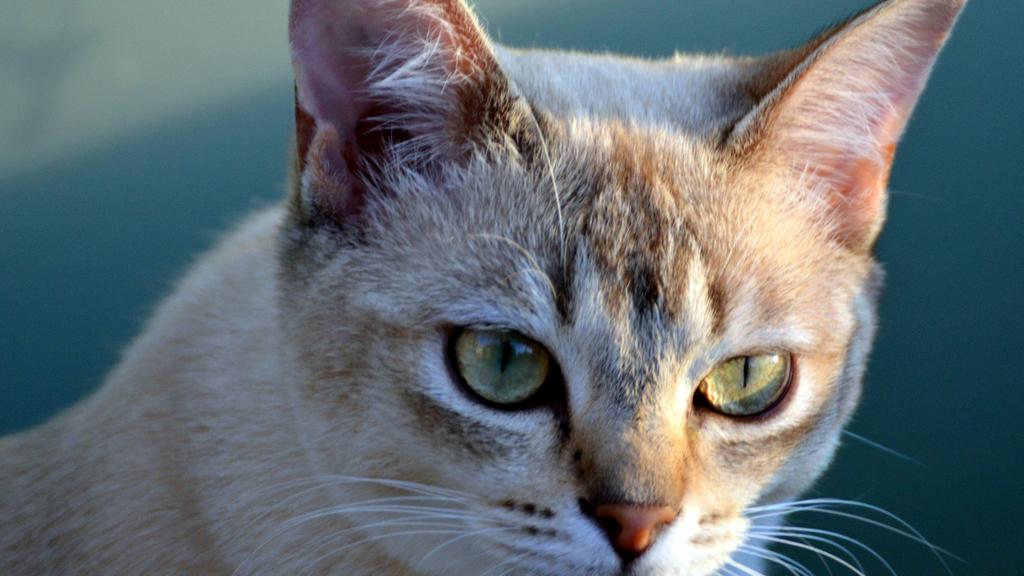
- Coat Type: Short or semi-long silky coat with shaded patterning.
- Shedding: Low to moderate.
- Breed Group: Cat.
- Country/Region of Origin: UK
- Recognition Status: Recognized
Life Stage Considerations
- Puppies: Kittens need early socialization, frequent short play sessions, and routine handling for care tasks in Burmilla.
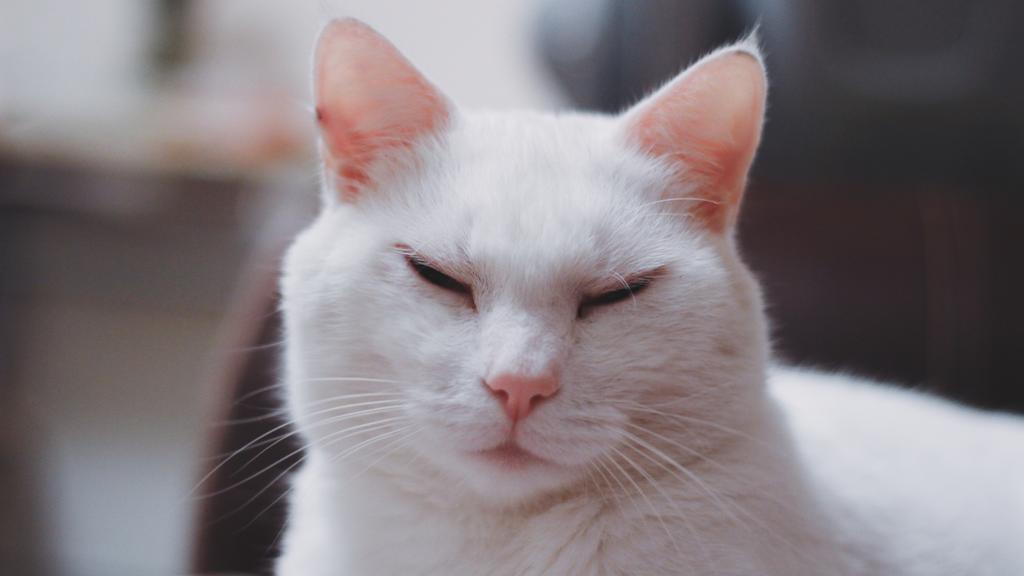
- Adults: Adult Burmilla cats do best with structured play, enrichment, and steady preventive care.
- Seniors: Senior Burmilla cats benefit from lower-impact activity, weight control, and more frequent wellness checks.
Temperament & Behavior
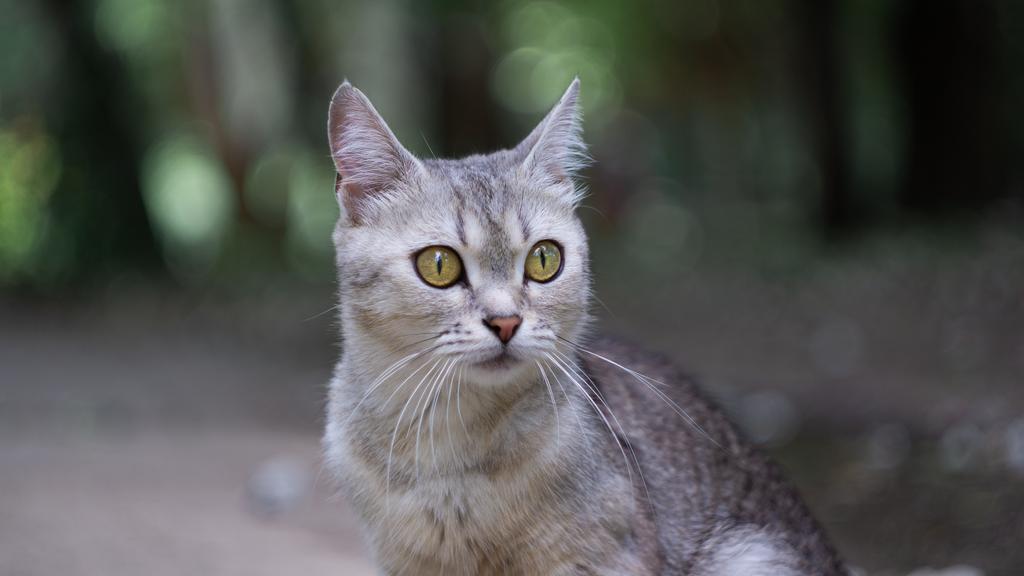
- Disposition: Affectionate, playful, and balanced between active and calm.
- Trainability: Moderate to high; generally learns home routines quickly.
- Compatibility: Often good with families and other pets when introductions are gradual.
Exercise & Activity Needs
- Energy Level: Moderate.
- Daily Exercise: Aim for 20-40 minutes of interactive play daily.
- Preferred Activities: Puzzle games, wand toys, climbing structures, and social play.
Grooming & Health
- Grooming Frequency: Weekly brushing, with additional care for semi-long coat variants.
- Common Health Concerns: Generally healthy, but some lines may carry inherited kidney or cardiac risks.
- Preventive Care: Use periodic renal/cardiac monitoring when advised and maintain healthy body condition.
Suitability for First-Time vs. Experienced Owners
- First-Time: Often suitable for first-time owners seeking a social but manageable companion.
- Experienced: Experienced owners can optimize enrichment and preventive screening plans.
Living Environment Adaptability
- Apartment-Friendly: Yes, typically apartment-friendly with routine play.
- Climate Tolerance: Adaptable in standard indoor climates.
- Noise Levels: Low to moderate.
Financial Considerations
- Initial Costs: Moderate to high based on region and breeder screening.
- Ongoing Costs: Moderate routine costs.
- Insurance: Optional but useful for long-term risk management.
Adoption vs. Breeder Considerations
- Adoption Pros: Adoption can provide known behavior and easier home matching.
- Breeder Pros: Breeders can provide pedigree and health documentation.
- Cons: Availability may be limited in some locations.
Long-Term Commitment & Special Considerations
- Lifespan: Usually around 12-15 years.
- Aging Needs: Increase senior screening and adjust activity with mobility changes.
- Backup Plans: Ensure backup caregivers can maintain play and medication schedules.
Additional Details
Country/Region of Origin: UK
Recognition Status: Recognized
Reviews & Comments
No community reviews yet. Be the first to share your experience.