Breed Library
Species & Breeds
Browse breed profiles, compare options, and use Breed Finder to match your lifestyle.
Need help now? Use guided triage first, then come back to explore options.
Start Symptom Intake
Breed Listing
50 random picks (198 total)


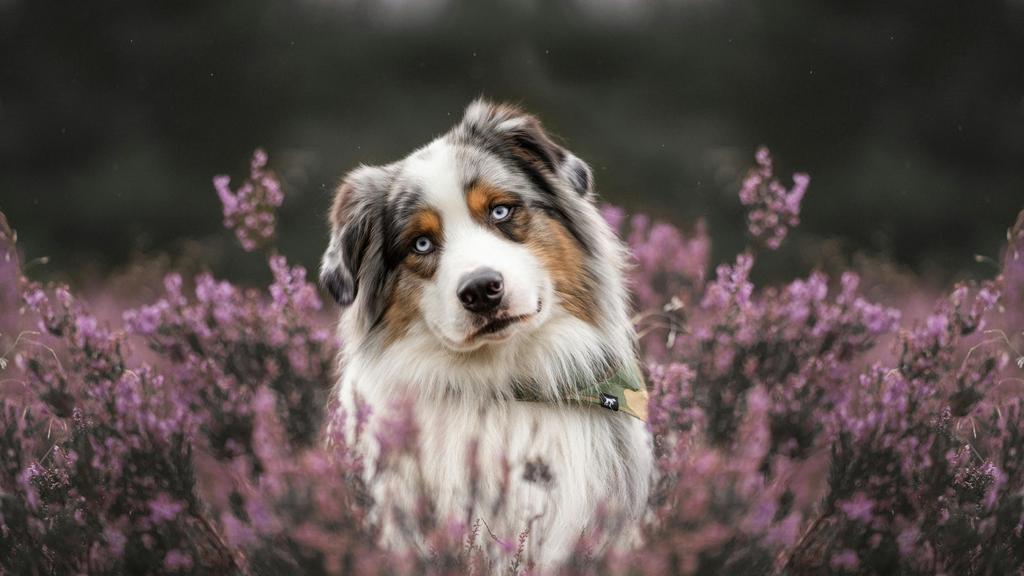
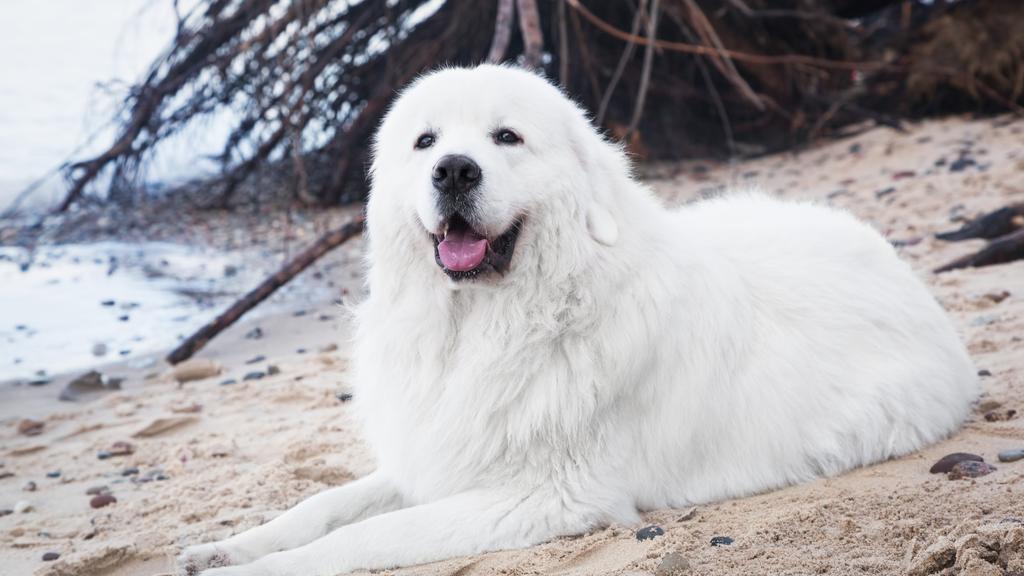
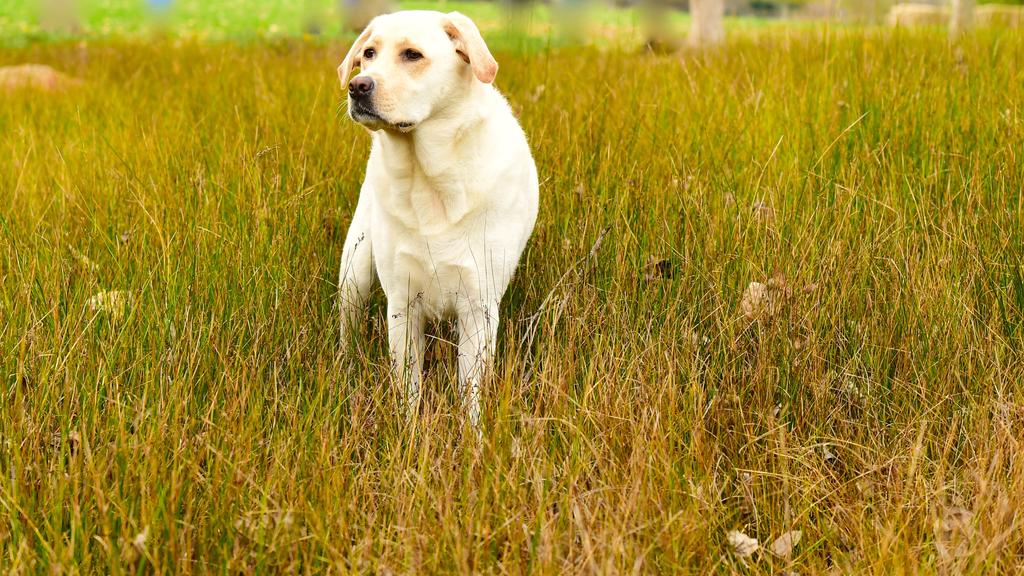

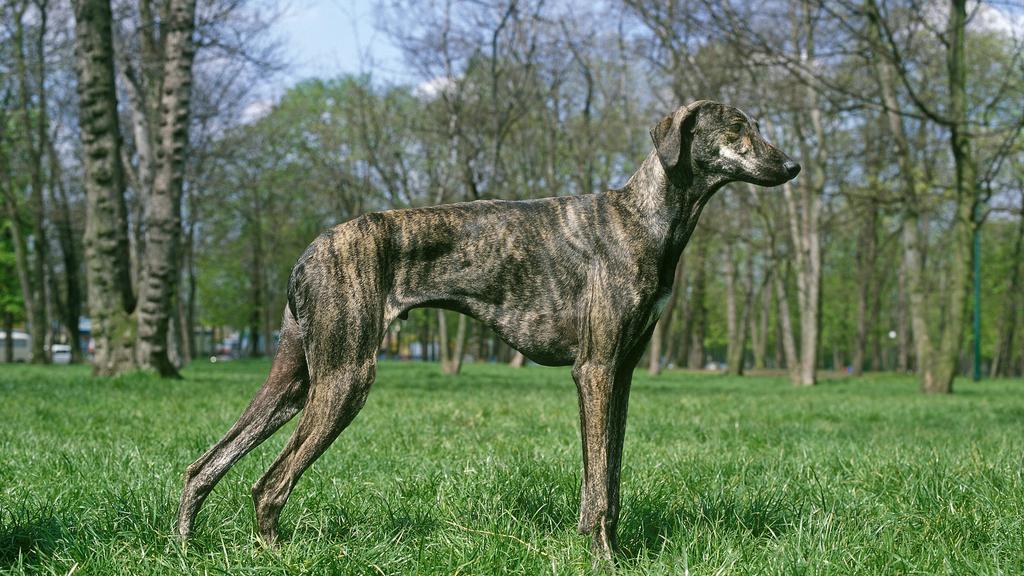





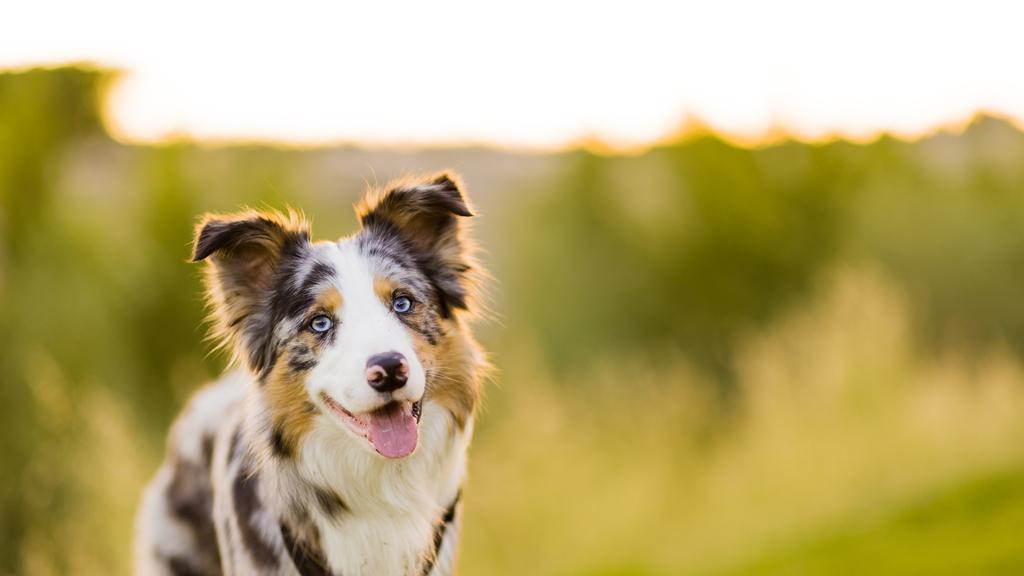


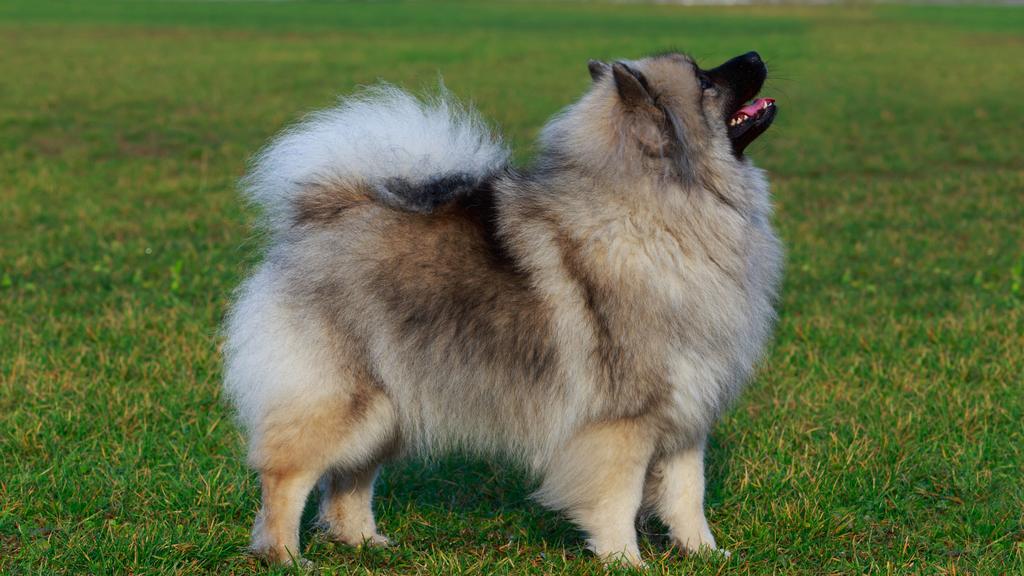
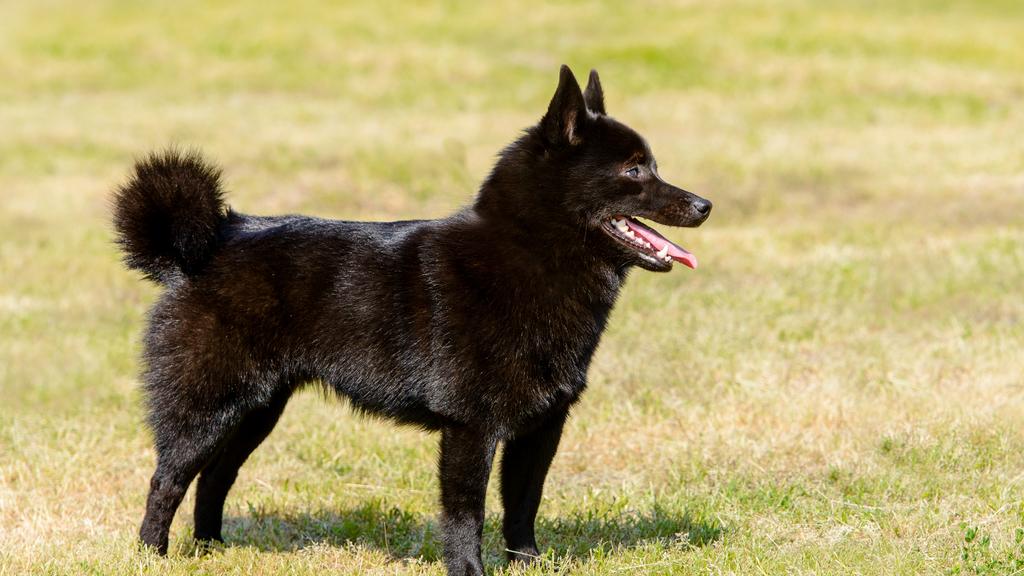
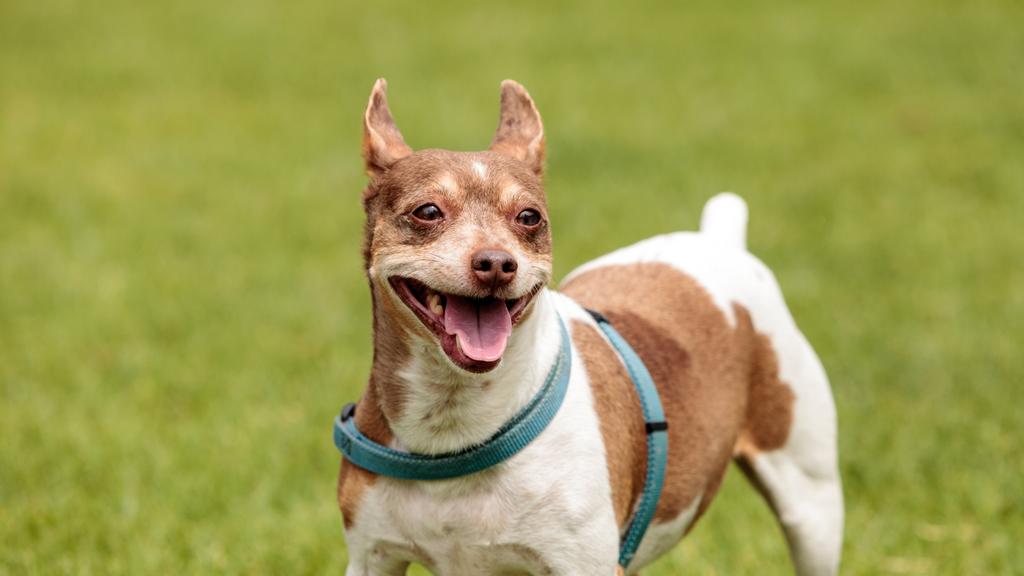
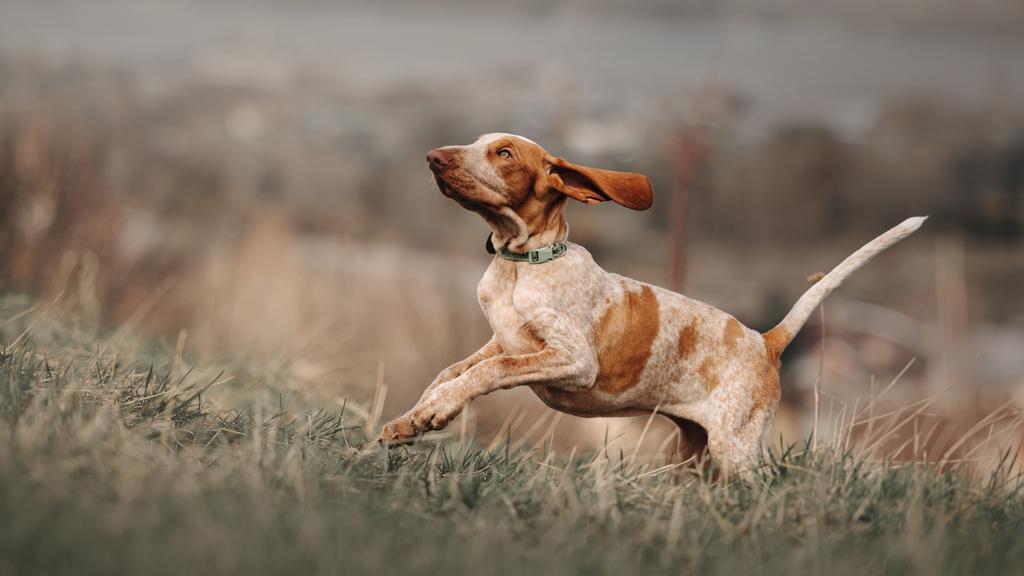
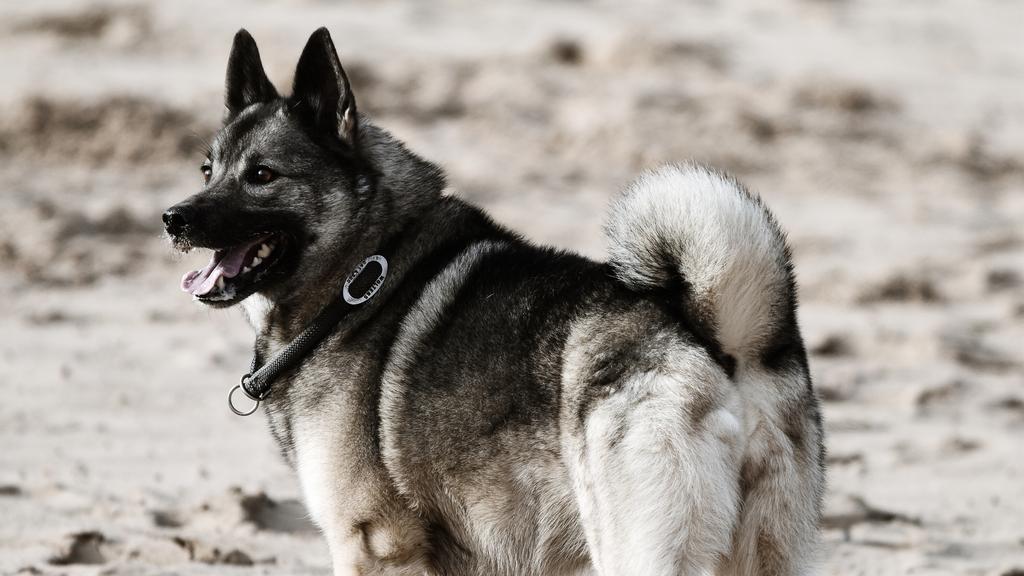
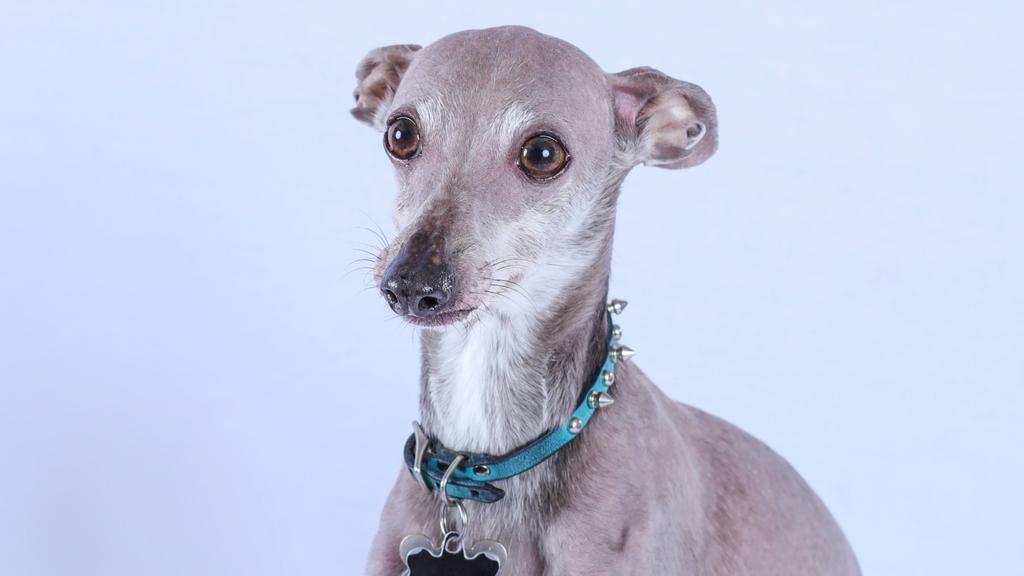




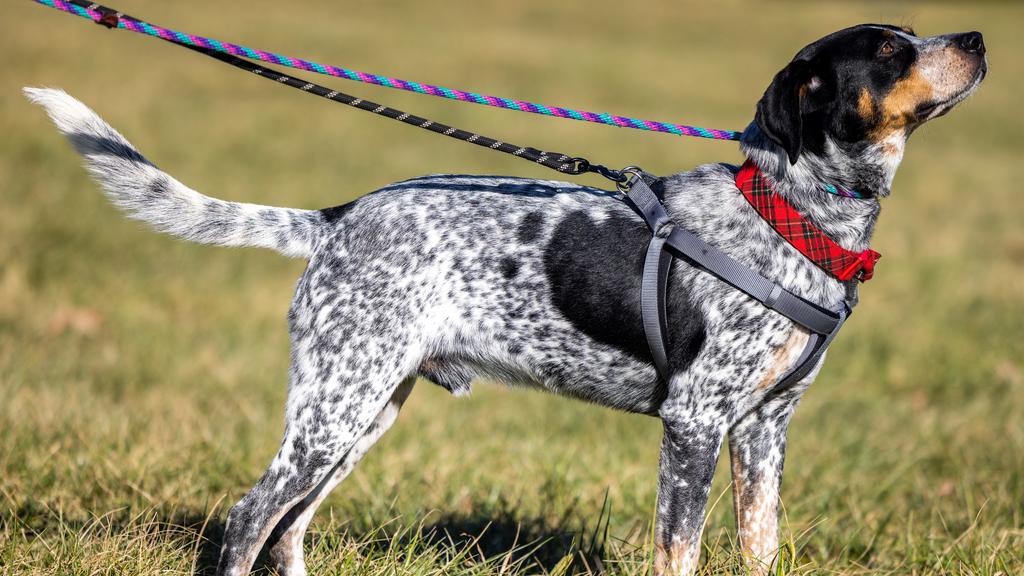
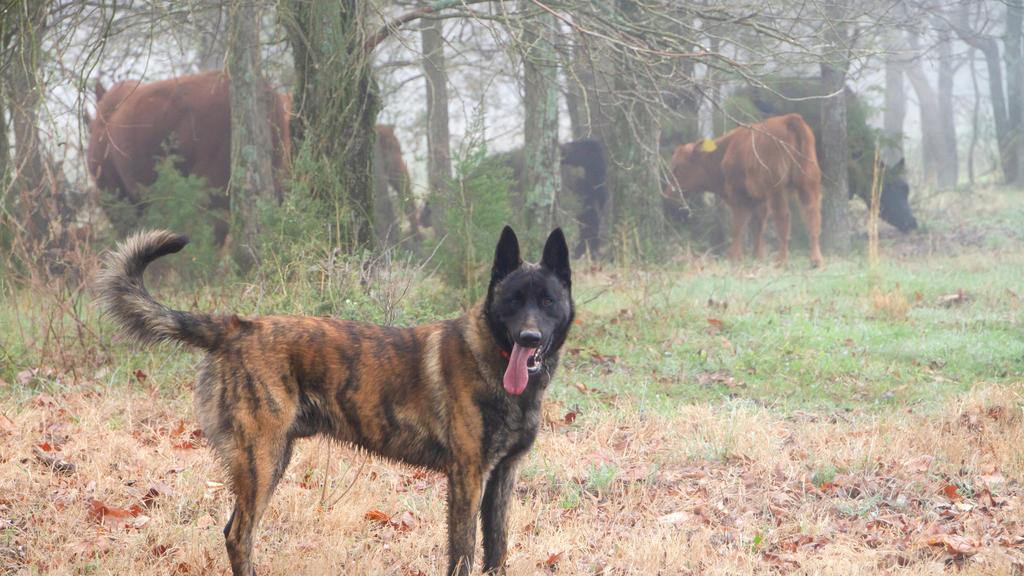

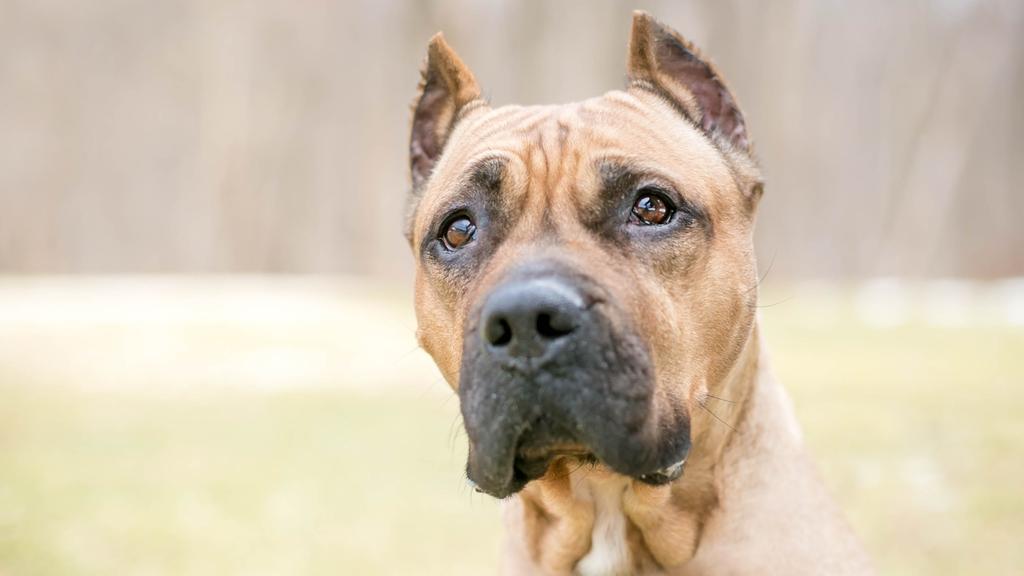

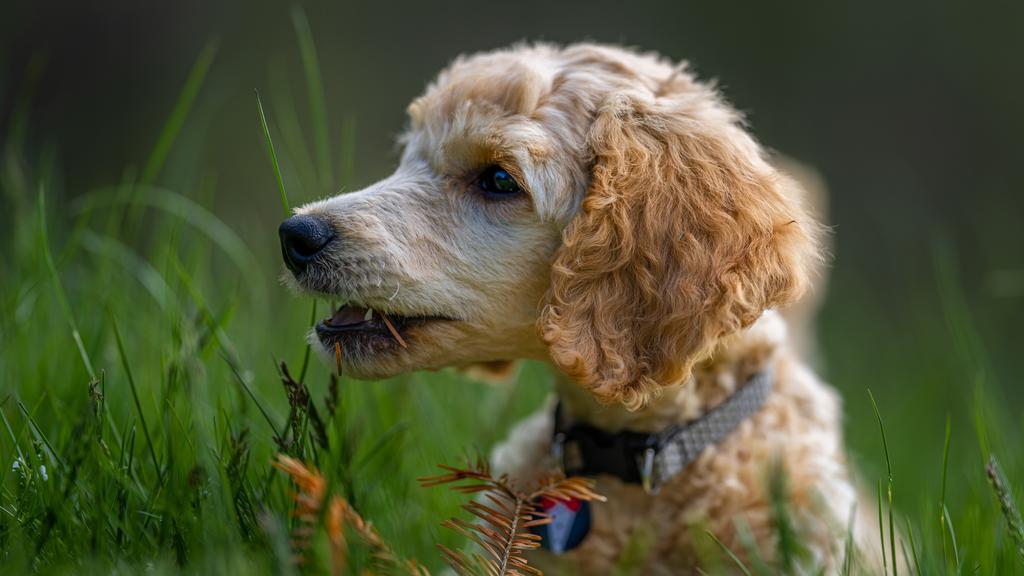




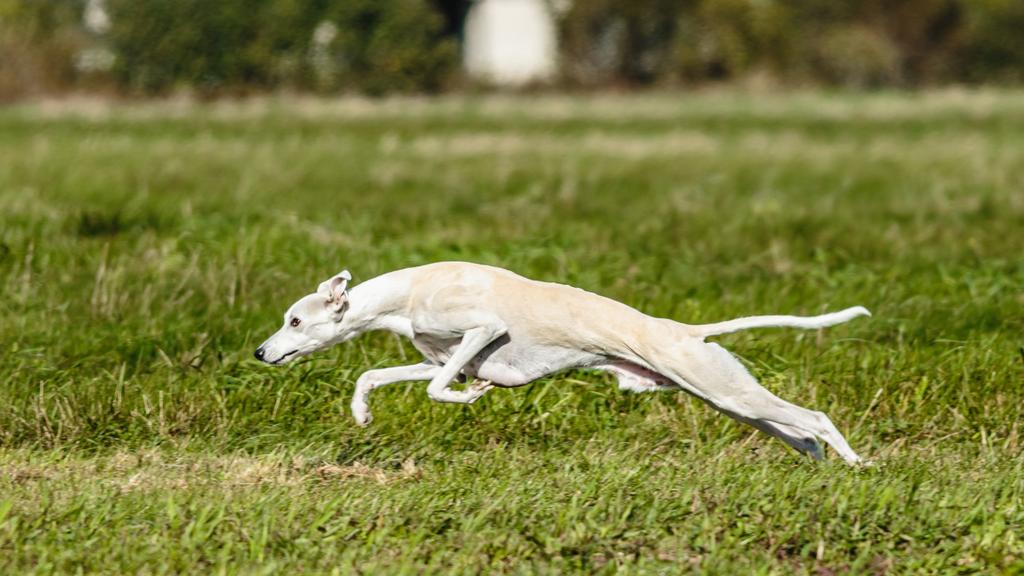
Breed Finder
Scope: Dog | Tell us your preferences and get ranked matches.
Showing top suggestions in current scope. Add preferences to personalize matching.
Affenpinscher
Dog
Why this match
- Add preferences to generate personalized trait matches.
Afghan Hound
Dog
Why this match
- Add preferences to generate personalized trait matches.
Airedale Terrier
Dog
Why this match
- Add preferences to generate personalized trait matches.
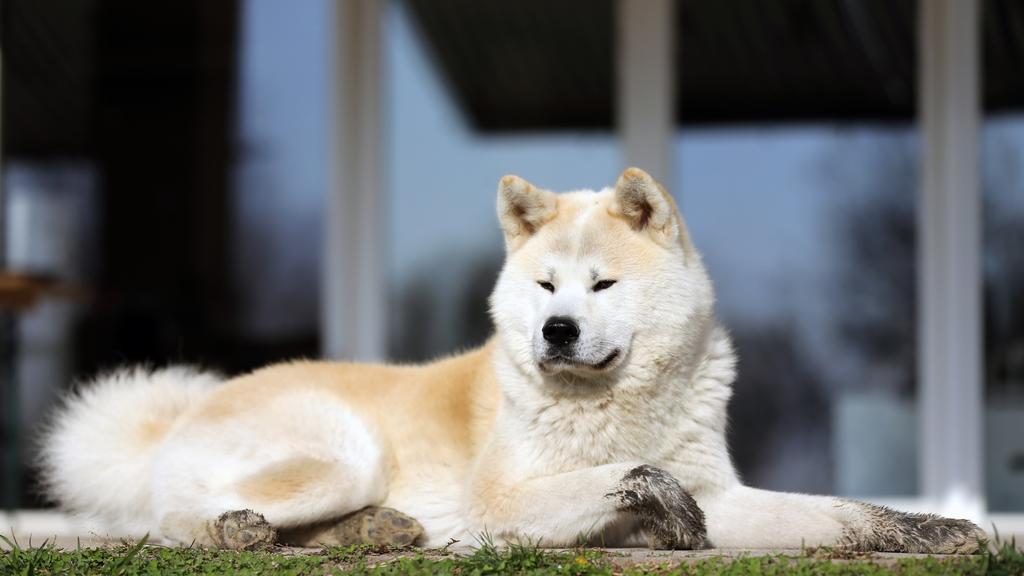
Akita
Dog
Why this match
- Add preferences to generate personalized trait matches.
Alaskan Malamute
Dog
Why this match
- Add preferences to generate personalized trait matches.
American Bulldog
Dog
Why this match
- Add preferences to generate personalized trait matches.
American Cocker Spaniel
Dog
Why this match
- Add preferences to generate personalized trait matches.
American Eskimo Dog
Dog
Why this match
- Add preferences to generate personalized trait matches.
American Foxhound
Dog
Why this match
- Add preferences to generate personalized trait matches.
American Pit Bull Terrier
Dog
Why this match
- Add preferences to generate personalized trait matches.
American Staffordshire Terrier
Dog
Why this match
- Add preferences to generate personalized trait matches.
American Water Spaniel
Dog
Why this match
- Add preferences to generate personalized trait matches.
Anatolian Shepherd Dog
Dog
Why this match
- Add preferences to generate personalized trait matches.
Appenzeller Sennenhund
Dog
Why this match
- Add preferences to generate personalized trait matches.
Australian Cattle Dog
Dog
Why this match
- Add preferences to generate personalized trait matches.
Other Ideas To Improve Breed Matching
- Add a time commitment filter (minutes/day for walks, play, and training).
- Include a noise tolerance filter (quiet, moderate, vocal).
- Add budget range (grooming + routine care costs by breed profile).
- Use a short temperament quiz and weight calm/social/protective traits.
- Offer an "adoptable alternatives" mode to surface similar shelter-friendly breeds.
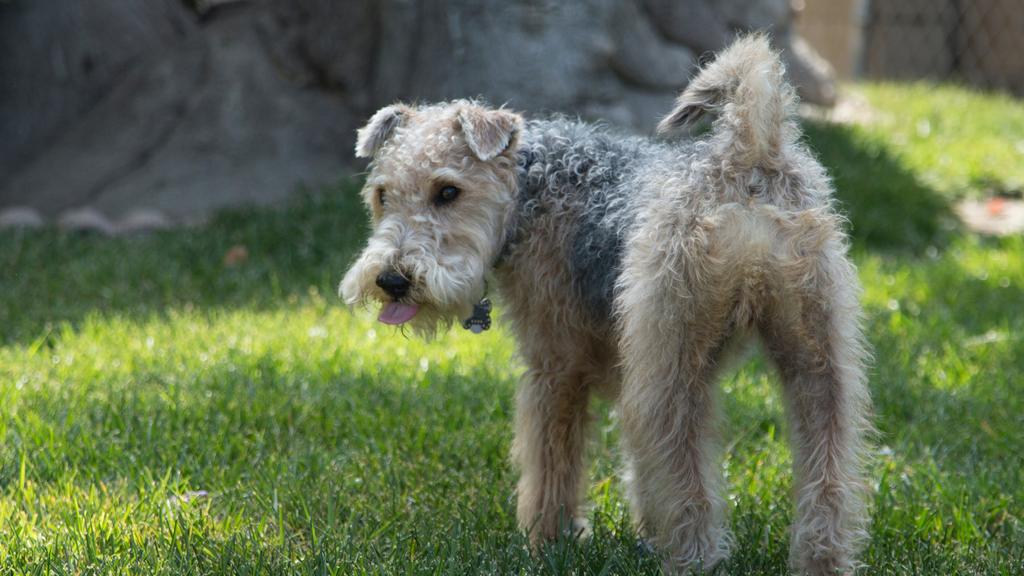
Lakeland Terrier
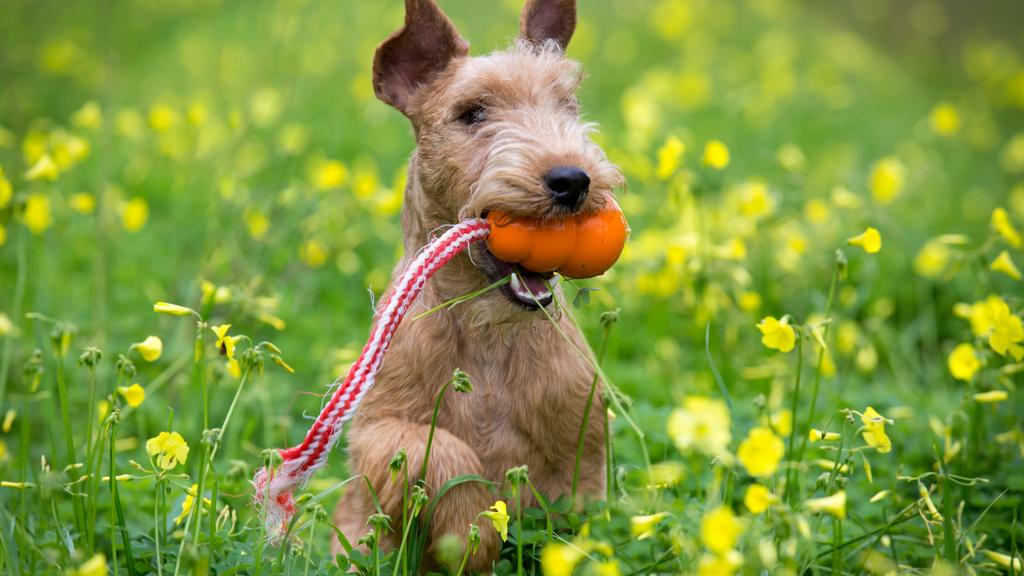
Dog Breed Profile
Sections: 10
Attributes: 33
Data Coverage: 100%



Quick Snapshot
- Size & Weight: Small to medium build; exact adult weight varies by line.
- Lifespan: Often 11-15 years, depending on line and preventive care.
- Coat Type: Dense coat requiring regular maintenance.
- Shedding: Low to moderate shedding in many lines.
- Breed Group: Terrier
Basic Information
- Size & Weight: Small to medium build; exact adult weight varies by line.
- Lifespan: Often 11-15 years, depending on line and preventive care.
- Coat Type: Dense coat requiring regular maintenance.
- Shedding: Low to moderate shedding in many lines.
- Breed Group: Terrier
- Country/Region of Origin: UK
- Recognition Status: Recognized
Life Stage Considerations
- Puppies: Lakeland Terrier puppies need early socialization and consistent positive training foundations.
- Adults: Lakeland Terrier adults generally do best with routine daily exercise and continued mental enrichment.
- Seniors: Senior dogs benefit from lower-impact exercise, weight control, and closer mobility and chronic-disease monitoring.
Temperament & Behavior
- Disposition: Temperament varies by line and socialization; many are loyal and family-oriented with proper training.
- Trainability: Usually responds best to consistent reward-based training and clear routines.
- Compatibility: Often does well in family settings when socialized and supervised appropriately.

Exercise & Activity Needs
- Energy Level: Moderate to high.
- Daily Exercise: Usually 45-60 minutes daily with structured play and training.
- Preferred Activities: Brisk walks, scent games, trick work, and interactive play.
Grooming & Health
- Grooming Frequency: Regular brushing is needed, with professional grooming in many lines.
- Common Health Concerns: Skin, orthopedic, and eye concerns can occur depending on line.
- Preventive Care: Maintain healthy body condition, schedule regular wellness checks, and follow breed-aware preventive guidance from your veterinarian.
Suitability for First-Time vs. Experienced Owners
- First-Time: Can suit first-time owners with consistent boundaries and enrichment.
- Experienced: Experienced owners often handle terrier persistence and drive more easily.
Living Environment Adaptability
- Apartment-Friendly: Often adaptable to apartments with regular activity and noise management.
- Climate Tolerance: Generally adaptable with weather-adjusted exercise planning.
- Noise Levels: Moderate alert barking tendency.

Financial Considerations
- Initial Costs: Moderate depending on source and setup.
- Ongoing Costs: Training, enrichment, and preventive care are recurring costs.
- Insurance: Insurance is often helpful for unexpected emergency or chronic-care costs.
Adoption vs. Breeder Considerations
- Adoption Pros: Adoption can provide adult temperament and behavior history to support good placement matching.
- Breeder Pros: Reputable breeders can provide health-testing records and socialization history.
- Cons: Persistence and prey drive require consistent training and management.
Long-Term Commitment & Special Considerations
- Lifespan: Often 11-15 years, depending on line and preventive care.
- Aging Needs: Senior dogs benefit from lower-impact exercise, weight control, and closer mobility and chronic-disease monitoring.
- Backup Plans: Arrange caregivers who can maintain exercise, medication, and routine care consistently.
Additional Details
Country/Region of Origin: UK
Recognition Status: Recognized
Reviews & Comments
No community reviews yet. Be the first to share your experience.